 Exceptional Travel Expert
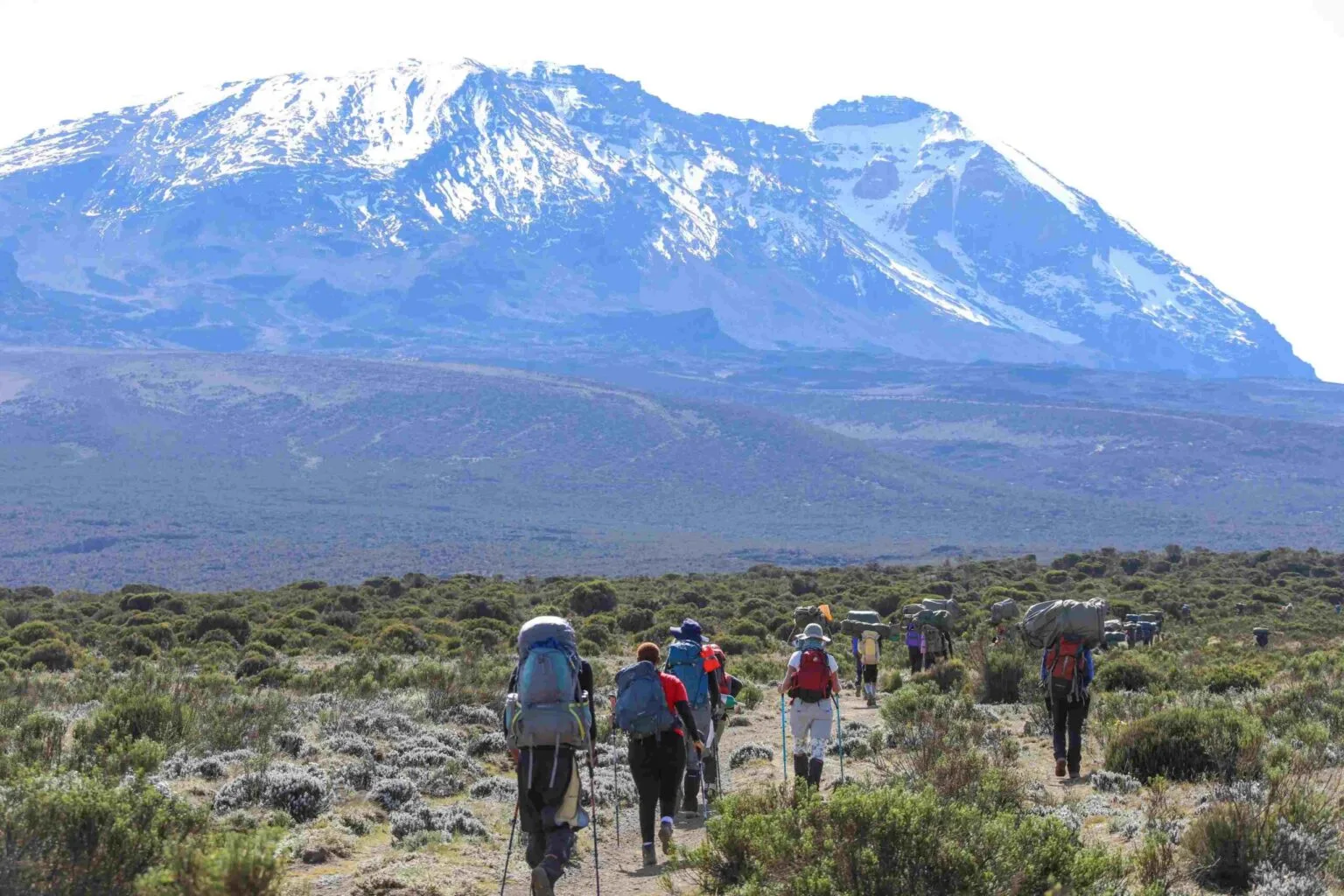
Best Time to Climb Kilimanjaro: Month-by-Month Guide
The best time to climb Mount Kilimanjaro is generally during the drier months, from January to early March and from June to October. These periods usually offer better trekking conditions, although weather can change quickly on the mountain.
Kilimanjaro can be climbed throughout the year, but some months are wetter, colder, or cloudier than others. The right time for your climb depends on the weather you prefer, how many other climbers you want to meet on the trail, and which route you plan to take.
This guide explains the best months to climb Kilimanjaro, the weather throughout the year, and what to consider when choosing your climbing dates.
When Is the Best Time to Climb Kilimanjaro?
The two main climbing periods are January to early March and June to October. Both usually offer more favorable weather than the main rainy season.
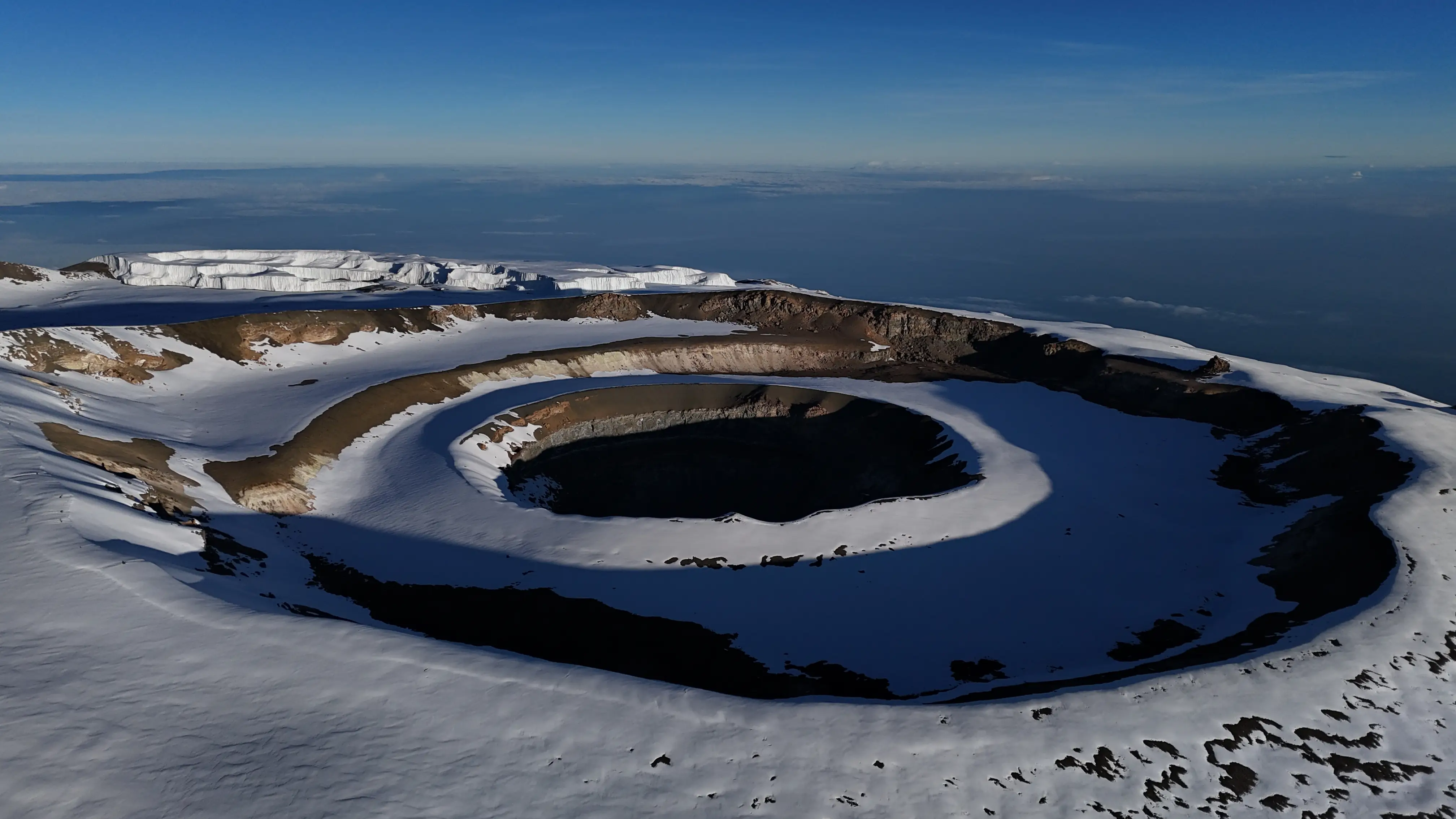
January to early March: These months are generally drier than the long-rain period. Temperatures can be cold at higher elevations, and snow may be present near the summit.
June to October: This is the main dry-season climbing period. Conditions are often suitable for trekking, but some routes can be busier, particularly during popular holiday periods.
March to May: The long rains usually occur during these months. Trails may be wet and muddy, and cloud cover can reduce visibility.
November to December: The short rains often occur in November and may continue into December. Conditions vary, so climbers should prepare for possible rain.
There is no single month that guarantees good weather or a successful summit. Conditions vary from year to year, and temperatures and weather change significantly with altitude.
Best Time to Climb Kilimanjaro by Month
The weather on Kilimanjaro changes throughout the year. Use this month-by-month guide to compare the usual conditions and choose a period that suits your plans.
January
January is generally a good month to climb Kilimanjaro. Conditions are often relatively dry, although occasional rain is possible. Temperatures at the summit can be very cold, and snow may be present at higher elevations.
January can be a good choice for climbers looking for a climb outside the main June-to-October period.

February
February is usually one of the warmer months on Kilimanjaro, with generally favorable trekking conditions. Rain is still possible, but many climbers choose this period before the long rains begin.
Higher elevations remain cold, particularly at night and around the summit.
March
March is a transition month, with rainfall generally becoming more frequent as the long rainy season approaches. Conditions can vary between the beginning and end of the month.
Climbing is still possible, but hikers should be prepared for wet trails, cloud cover, and changing weather.
April
April is usually part of Kilimanjaro's long rainy season. Rain, muddy trails, and cloud cover can make trekking more challenging.
Climbing is possible, but April is generally less suitable for people who prefer drier trail conditions. Anyone planning a climb during this month should prepare for wet weather and discuss route conditions with their operator.

May
May is generally still within the long rainy season, although conditions can begin to change toward the end of the month. Rainfall and cloud cover may affect visibility and trail conditions.
Climbers considering May should check the latest conditions and prepare for rain.
June
June marks the beginning of the main dry-season climbing period. Conditions often become more favourable for trekking, although temperatures can be cold, especially at higher elevations.
The mountain may still experience rain, so suitable clothing and waterproof equipment remain important.
July
July is a popular month for climbing Kilimanjaro. Conditions are often relatively dry, but temperatures can be cold, particularly at night and near the summit.
Because July falls within a busy climbing period, it is sensible to arrange your climb in advance if you have fixed travel dates.
August
August is another popular month for climbing Kilimanjaro. The weather is often relatively dry, but cold temperatures and strong winds can occur at higher elevations.
If you plan to climb in August, book early where possible and prepare for changing conditions as you gain altitude.

August
August is another popular month for climbing Kilimanjaro. The weather is often relatively dry, but cold temperatures and strong winds can occur at higher elevations.
If you plan to climb in August, book early where possible and prepare for changing conditions as you gain altitude.
September
September usually offers favorable conditions for climbing, with relatively dry weather. It is part of the main climbing season, although conditions vary from year to year.
This month can suit climbers who want to trek during the dry season and are prepared for cold nights at higher elevations.
October
October is generally a favorable month for climbing Kilimanjaro, particularly earlier in the month. The weather can become more changeable as the short rains approach.
Conditions differ each year, so climbers should be prepared for both dry and wet weather.
November
November is commonly associated with the short rains. Rainfall can affect trail conditions, but the amount and timing of rain vary from year to year.
Climbing is possible during November. However, if you prefer more consistently dry conditions, consider the main dry-season periods instead.
December
December can offer a mix of weather conditions. The short rains may continue into the month, and conditions can become drier as the month progresses.
Climbers should check the expected conditions for their dates and prepare for rain and cold temperatures at higher elevations.

Kilimanjaro Weather and Climbing Seasons
Kilimanjaro has two main rainy periods: the long rains, usually from March to May, and the short rains, often around November and sometimes extending into December.
The drier periods are generally January to early March and June to October. However, these are seasonal patterns rather than guarantees. Rain can occur during the dry season, and weather can change quickly as you climb higher.
Temperatures also vary with altitude. Conditions near the base of the mountain are different from those at the higher camps and summit. Even during a relatively dry month, you should bring clothing suitable for cold temperatures, wind, and possible rain.

What Is the Worst Time to Climb Kilimanjaro?
April and May are generally the wettest months on Kilimanjaro because they fall within the long rainy season. Rain can make trails muddy, reduce visibility, and make some parts of the trek more difficult.
November can also be wet because of the short rains. However, rainfall varies from year to year, and it is possible to climb during these months.
If your priority is to have a better chance of drier trekking conditions, consider January to early March or June to October. Your operator can help you choose suitable dates and prepare for the conditions expected during your climb.
Does the Best Time Depend on the Kilimanjaro Route?
The best time to climb can also depend on the route you choose. Kilimanjaro's routes differ in length, scenery, camping arrangements, and how they approach the summit.
The Lemosho, Machame, Marangu, Rongai, Northern Circuit, and Umbwe routes each have their own characteristics. Weather conditions can affect all of them, so the right route depends on your experience, available time, preferences, and the conditions expected during your climb.
For a detailed comparison of route duration, difficulty, and features, read our guide to Kilimanjaro climbing routes.

How Far in Advance Should You Book Your Kilimanjaro Climb?
If you plan to climb during popular months such as July, August, or September, booking in advance can give you more choice of dates and help you organize your travel arrangements.
Before booking, consider your preferred month, the number of days you can spend on the mountain, and the route you want to take. Allow time to prepare physically and arrange suitable clothing and equipment.
You should also consider the length of the route. A climb that allows more time on the mountain can provide a more gradual ascent, although no itinerary can guarantee that you will reach the summit.
If you are unsure which month or route is right for you, speak with a Kilimanjaro climbing operator before confirming your dates.
Frequently Asked Questions
What is the best month to climb Kilimanjaro?
January, February, July, August, and September are commonly considered good months for climbing Kilimanjaro. Early March, June, and October can also offer favorable conditions. Weather varies each year, so no month guarantees dry conditions.
Can you climb Kilimanjaro all year round?
Yes. Kilimanjaro can be climbed throughout the year, but some months are wetter than others. The long rains usually occur from March to May, while the short rains often occur in November and may extend into December.
Is January a good time to climb Kilimanjaro?
January is generally a good month for climbing Kilimanjaro because conditions are often relatively dry. It can still be cold at higher elevations, and rain is possible.
Is July a good time to climb Kilimanjaro?
Yes. July is part of the main dry-season climbing period and is a popular month for trekking. It can be busy, and temperatures at higher elevations can be very cold.
Is September a good time to climb Kilimanjaro?
September is generally a good month to climb because conditions are often relatively dry. It is also part of the popular climbing season, so arranging your climb in advance may be helpful.
Is it possible to climb Kilimanjaro during the rainy season?
Yes. Climbs can take place during the rainy season, but wet trails, rain, and cloud cover may make the trek more challenging. Climbers should prepare carefully and check current conditions before departure.
How cold is Kilimanjaro at the summit?
Temperatures at the summit can fall below freezing, particularly at night and during the early-morning summit attempt. Conditions also depend on wind and weather, so proper cold-weather clothing is essential.