 Exceptional Travel Expert
Kilimanjaro Routes: Understanding Your Climbing Options
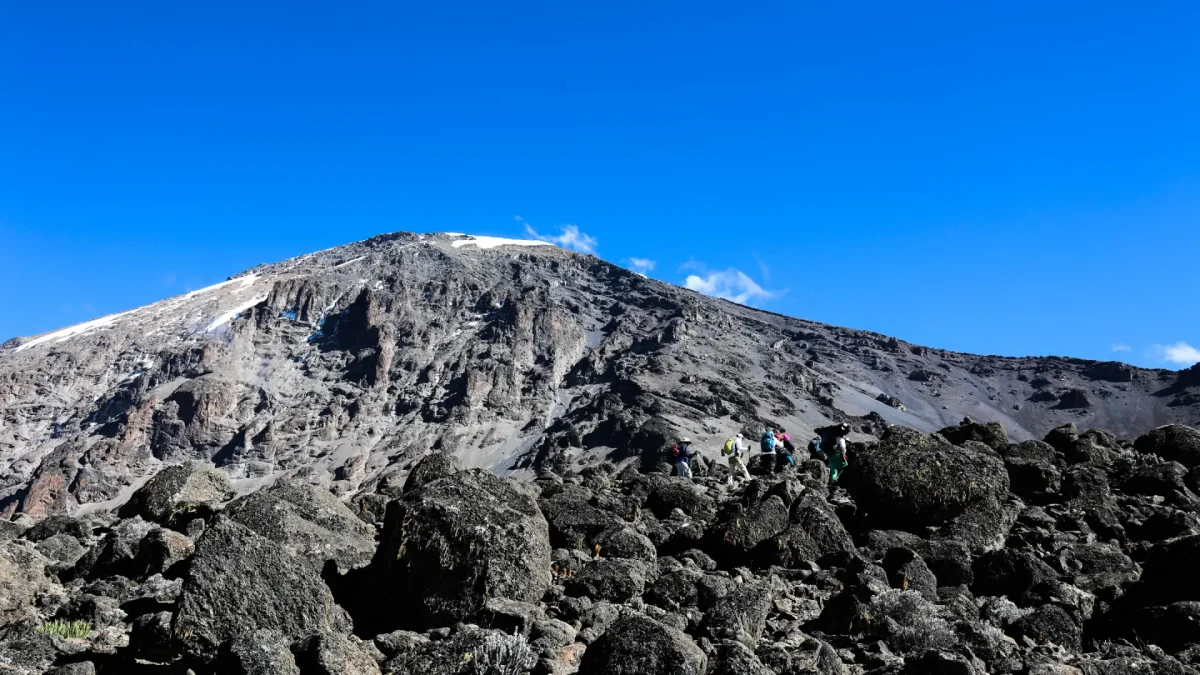
Mount Kilimanjaro stands at 5,895 meters (19,341 feet) above sea level, making it Africa's highest mountain and the world's highest free-standing mountain. Its three volcanic cones are Kibo, Mawenzi, and Shira. Uhuru Peak, located on Kibo, is the highest point and the main goal for climbers attempting to reach the summit.
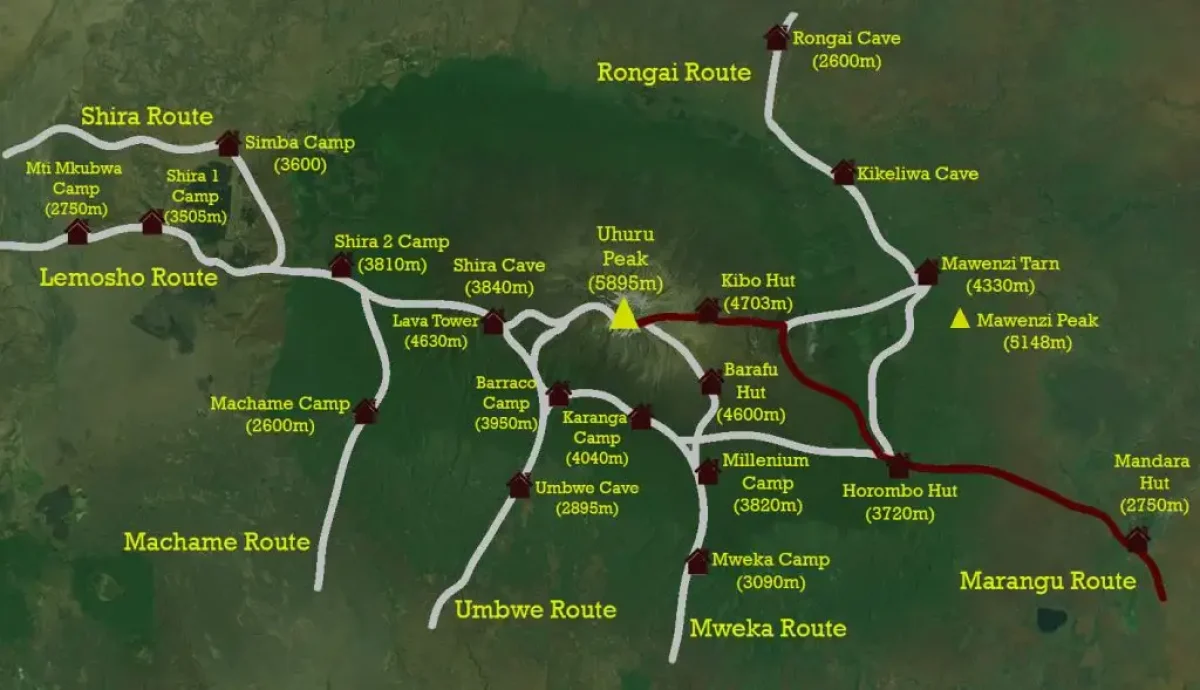
There are seven commonly recognized Kilimanjaro ascent routes: Lemosho, Machame, Marangu, Rongai, Northern Circuit, Umbwe, and Shira. Each approaches the mountain from a different direction and offers a different combination of scenery, hiking conditions, and acclimatization opportunities. The Mweka Route is used for descent rather than as a standard ascent route.
Some Kilimanjaro routes are shorter and more direct, while others take more days to reach the summit. The right choice depends on your budget, available time, hiking experience, and how much time the itinerary allows for acclimatization. Comparing these differences before booking can help you choose a route that suits your needs.
Kilimanjaro Summit Success Rates: Why Route Duration Matters
One of the most important factors to consider when choosing a Kilimanjaro route is your chance of reaching Uhuru Peak. Summit success rates vary depending on the route, the number of days spent on the mountain, the itinerary, and the operator's own results. There is no current official, park-wide success rate that confirms a single percentage for all climbers.
The general pattern is that longer itineraries often provide more time for acclimatization, which can improve a climber's chances of reaching the summit. Shorter climbs allow less time to adjust to the altitude, making them more demanding for many trekkers. However, spending more days on the mountain does not guarantee success, and individual responses to altitude vary.
When comparing Kilimanjaro climbing routes, look beyond advertised success rates and consider the full itinerary. Check how many days the climb takes, whether acclimatization days are included, and how the daily elevation changes are planned. A well-designed itinerary that allows you to ascend gradually can be a better choice than selecting a route based on its name or advertised success rate alone.
The Northern Circuit is the longest of the commonly used routes and typically takes eight to nine days, giving climbers more time to adjust to the altitude. The Lemosho Route is also popular for its scenery and longer itinerary options, while the Machame Route offers a scenic approach with opportunities for acclimatization on suitable itineraries. Marangu uses mountain huts instead of tents, but its shorter itineraries may provide less time for acclimatization.
Rather than choosing a route based on a single success-rate figure, compare the number of days, route profile, accommodation, scenery, and overall cost. These factors will help you make a more informed decision and choose a Kilimanjaro climb that matches your schedule, experience, and preparation.
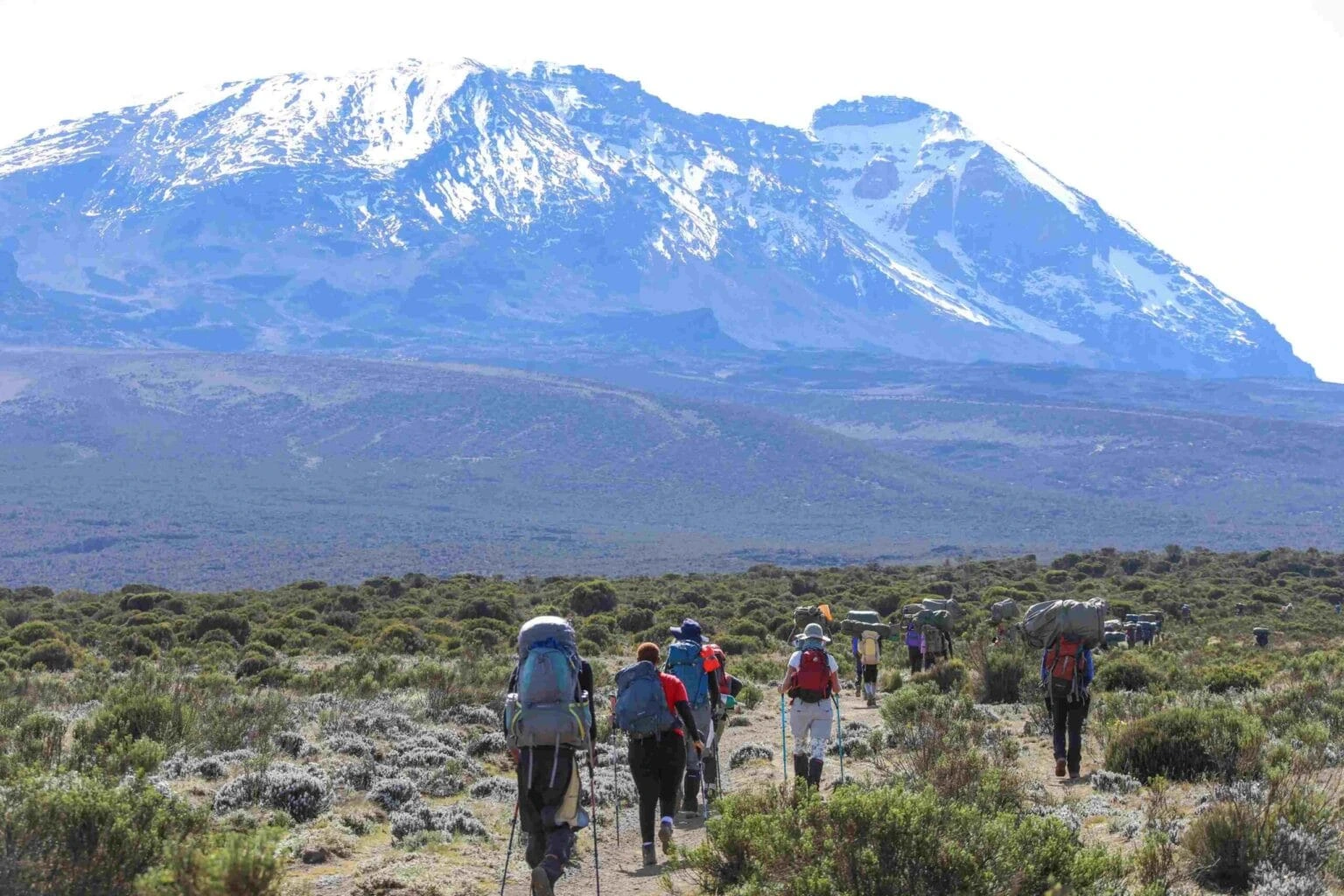
Why Weather Matters for Your Kilimanjaro Climb
Weather plays an important role in planning your Mount Kilimanjaro climb in Tanzania. Rainfall, temperature, trail conditions, and visibility can all affect your trekking experience. Choosing the right season can help you enjoy more comfortable hiking conditions and better views of the mountain.
Rain can make Kilimanjaro's trails muddy and slippery, particularly in the forest zone. At higher elevations, cold temperatures, strong winds, and wet clothing can make the climb more challenging. Clear skies generally offer better views of the surrounding landscape and the snow-capped summit.
However, Mount Kilimanjaro has several climate zones, and weather conditions can change quickly as you gain altitude. Even during the drier months, you may experience rain, wind, or freezing temperatures near the summit. Packing suitable waterproof clothing, warm layers, and reliable trekking equipment is essential throughout the year.
Before choosing your Kilimanjaro climbing season, consider your preferred trekking conditions, the route you want to take, and the gear you will need. Good preparation and guidance from an experienced mountain crew can help you manage changing weather conditions and prepare for the challenges of climbing Africa's highest mountain.
Best Time to Climb Mount Kilimanjaro: Month-by-Month Guide
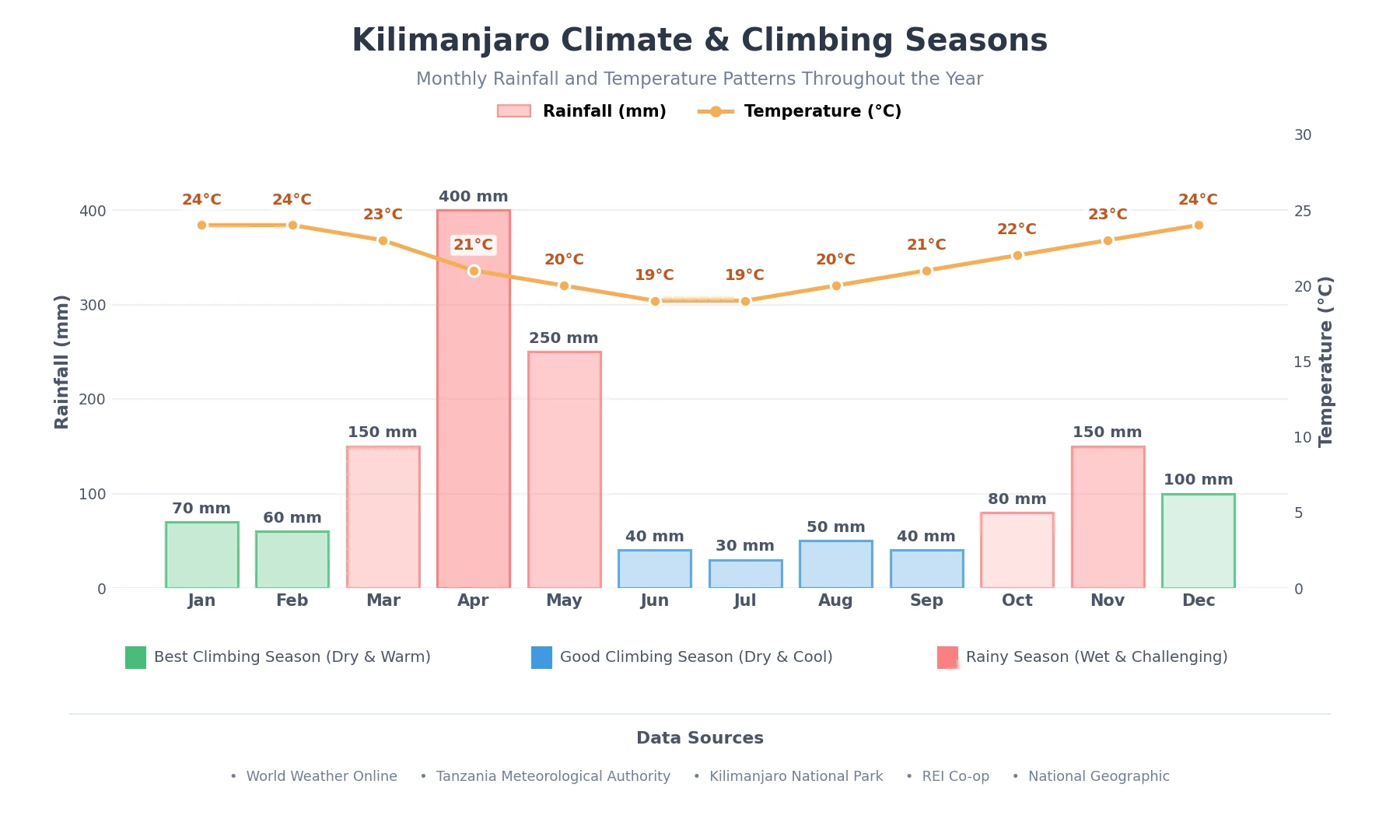
Kilimanjaro Climate Chart
January: Is January a Good Time to Climb Kilimanjaro?
January is one of the most popular months to climb Mount Kilimanjaro, offering generally favorable trekking conditions, relatively dry weather, and good opportunities to enjoy views of the mountain. Conditions can vary, but January is a strong option for climbers looking for a balance of weather, scenery, and summit preparation.
Weather Conditions: January is generally warm and relatively dry at the lower elevations, with daytime temperatures often around 21–27°C (70–81°F). Temperatures drop as you gain altitude, and camps near the summit can be extremely cold. Rain is still possible, so waterproof clothing and warm layers are essential.
Climbing Experience: January is a popular time to climb Kilimanjaro, particularly during the first part of the month. You may experience clear skies and excellent views, although clouds can develop and snow may occur at higher elevations. Popular routes and camps can be busy, especially around the holiday period.
Summit Success: Your chances of reaching Uhuru Peak depend on several factors, including your route, the number of days on the mountain, acclimatization, and your response to altitude. Choosing an itinerary with sufficient time to adjust to the altitude is more useful than relying on a general success-rate percentage for January.
Who Should Climb in January? January is a good option for first-time climbers who want to trek during a generally favorable weather period, photographers hoping for clear mountain views, and travelers planning to combine their Kilimanjaro climb with a Tanzania safari.
Booking Considerations: January is a popular climbing month, so booking several months in advance is advisable, especially if you have specific travel dates or prefer a particular route or accommodation arrangement. Compare itineraries and prices before booking, and allow enough time for acclimatization rather than choosing a climb based on cost alone.
February: Is February the Best Month to Climb Kilimanjaro?
February is another popular month for climbing Mount Kilimanjaro. It generally offers warm conditions at lower elevations, relatively dry weather, and good opportunities for clear views. Like January, it can be an excellent time to climb, although weather conditions and trail conditions vary from year to year.
Weather Conditions: February is generally warm at the lower elevations, with daytime temperatures often around 21–27°C (70–81°F). Temperatures decrease significantly as you climb higher, and summit conditions can be freezing. Some trails may be dusty during dry spells, while rain and cloud cover are still possible.
Climbing Experience: February often provides favorable conditions for trekking and photography, with opportunities to enjoy views of Kilimanjaro's volcanic terrain and surrounding landscapes. It is also a popular month, so busy routes and campsites are possible. Clear weather is never guaranteed, and conditions can change quickly at higher elevations.
Summit Success: February can offer good climbing conditions, but the weather alone does not determine whether you reach Uhuru Peak. Route choice, itinerary length, acclimatization, physical preparation, and your individual response to altitude all play important roles. Consider an itinerary that allows enough time to adjust to the altitude.
Challenges: Dry conditions can make some sections of the trail dusty, so a buff or neck gaiter can help protect you from dust. Nights at higher camps remain very cold, even when daytime temperatures at lower elevations are warm. Bring suitable clothing for changing temperatures and prepare for possible rain.
Who Should Climb in February? February is a good choice for climbers seeking generally favourable weather, photographers hoping for clear views, and travellers who want to combine a Kilimanjaro climb with a wildlife safari in Tanzania.
Booking Considerations: February is a popular month, so book in advance if you have fixed travel dates. Compare the available routes, trip duration, and total cost before choosing your climb. An itinerary that allows adequate acclimatisation is important, even during a generally favorable weather period.
March: Is March a Good Time to Climb Kilimanjaro?
March is a transition month on Mount Kilimanjaro, with conditions often changing from relatively dry weather to the long rainy season. The first half of March can offer good trekking conditions, while rainfall and cloud cover generally become more common as the month progresses.
Weather Conditions: Early March is often relatively warm at lower elevations, but rain becomes increasingly likely later in the month. Temperatures drop significantly with altitude, and higher camps can experience freezing conditions, strong winds, and snow. Weather can change quickly, so climbers should prepare for both wet and cold conditions.
Climbing Experience: Early March can be a good option for climbers who want to avoid some of the busiest periods. However, afternoon clouds, rain, and reduced visibility become more likely later in the month. Trail conditions may also become wetter and more slippery as the rainy season approaches.
Summit Success: Your chances of reaching Uhuru Peak depend on route choice, the number of days on the mountain, acclimatisation, weather, and your individual response to altitude. Rather than relying on a fixed success rate for March, choose an itinerary that allows sufficient time to adjust to the altitude.
Who Should Climb in March? March may suit travellers with flexible schedules who can climb early in the month and are prepared for changing weather. It can also appeal to climbers seeking a quieter experience than the busiest trekking periods.
Planning Tip: If you plan to climb in March, consider travelling during the first half of the month and bring reliable waterproof clothing, warm layers, and waterproof protection for your backpack. The Rongai Route approaches Kilimanjaro from the drier northern side, although rain is still possible.
April: Is April a Good Month to Climb Kilimanjaro?
April falls within Kilimanjaro’s long rainy season and is generally one of the wettest months of the year. Frequent rain, muddy trails, and limited visibility can make trekking more challenging. Many climbers prefer to choose a drier month, but some departures may still operate depending on the route and weather conditions.
Weather Conditions: Rain is common across much of the mountain, particularly at lower and middle elevations. Higher elevations remain very cold and may experience snow, strong winds, and freezing conditions. Cloud cover can also limit views of the mountain and surrounding areas.
Climbing Experience: Wet trails can make hiking more difficult, while damp clothing and equipment can be uncomfortable over several days. Clouds may obscure the views, and rain can make some sections of the route more challenging. Conditions vary, however, and occasional clear periods are possible.
Summit Success: April’s wet weather can add to the challenges of a Kilimanjaro climb, but there is no single reliable summit-success percentage that applies to every route and itinerary. If you are considering an April departure, discuss current trail conditions, route options, and safety arrangements with a licensed local operator.
Who Should Climb in April? April may suit travellers whose schedules are limited to this period and who understand the challenges of trekking during the rainy season. It is important to have suitable equipment, a flexible attitude, and realistic expectations about weather and views.
Route Recommendation: The Rongai Route approaches Kilimanjaro from the north, an area that generally receives less rainfall than the southern slopes. It may be worth considering during the rainy season, but it does not guarantee dry trails or clear skies.
Planning Advice: If your travel dates are flexible, consider postponing your climb until a generally drier period. If April is your only option, discuss the likely conditions with your operator before booking and make sure your equipment is suitable for prolonged rain and cold temperatures.
May: Is May a Good Month to Climb Kilimanjaro?
May usually remains part of Kilimanjaro’s long rainy season, although conditions may begin to improve toward the end of the month. Rain, cloud cover, and muddy trails can still affect the climb, but May may appeal to travellers who have flexible expectations and prefer a quieter mountain.
Weather Conditions: Rain remains common during May, particularly in the forest and lower sections of the mountain. Conditions can vary from day to day, and some periods may be drier than others. Higher elevations remain cold, with possible snow, strong winds, and freezing temperatures near the summit.
Climbing Experience: Wet and muddy trails can make trekking more demanding, while clouds may reduce visibility and hide some of Kilimanjaro’s views. However, weather conditions are not the same every year, and some departures may experience better conditions than expected. The Rongai Route is worth considering because the northern side of the mountain generally receives less rainfall.
Summit Success: Rain and cold can make the climb more challenging, but your chances of reaching Uhuru Peak also depend on acclimatisation, itinerary length, route choice, preparation, and your response to altitude. Choose a climb with enough time for acclimatisation rather than relying on a general monthly success-rate estimate.
Benefits of Climbing in May: May can offer a quieter trekking experience than the peak climbing periods. Some operators may offer lower prices or special departures, although discounts and availability vary. The possibility of snow at higher elevations may also appeal to some climbers, provided they are properly equipped and prepared for cold conditions.
Who Should Climb in May? May may suit travellers who cannot visit during the drier months, prefer fewer people on the trails, and are comfortable with the possibility of rain and limited views. It is important to understand the conditions before choosing this month.
Planning Tip: If you must climb in May, consider a departure toward the end of the month, while remembering that improved weather is not guaranteed. Bring quality waterproof clothing, warm layers, and waterproof bags for essential equipment. Ask your operator about current conditions and whether your chosen route is suitable for the expected weather.
June: Is June a Good Time to Climb Kilimanjaro?
June marks the beginning of Kilimanjaro’s long dry season and is a good month to plan a climb. Rainfall generally decreases as the month progresses, and trekking conditions often improve. Early June may still bring some rain left over from the rainy season, while the second half is usually drier.
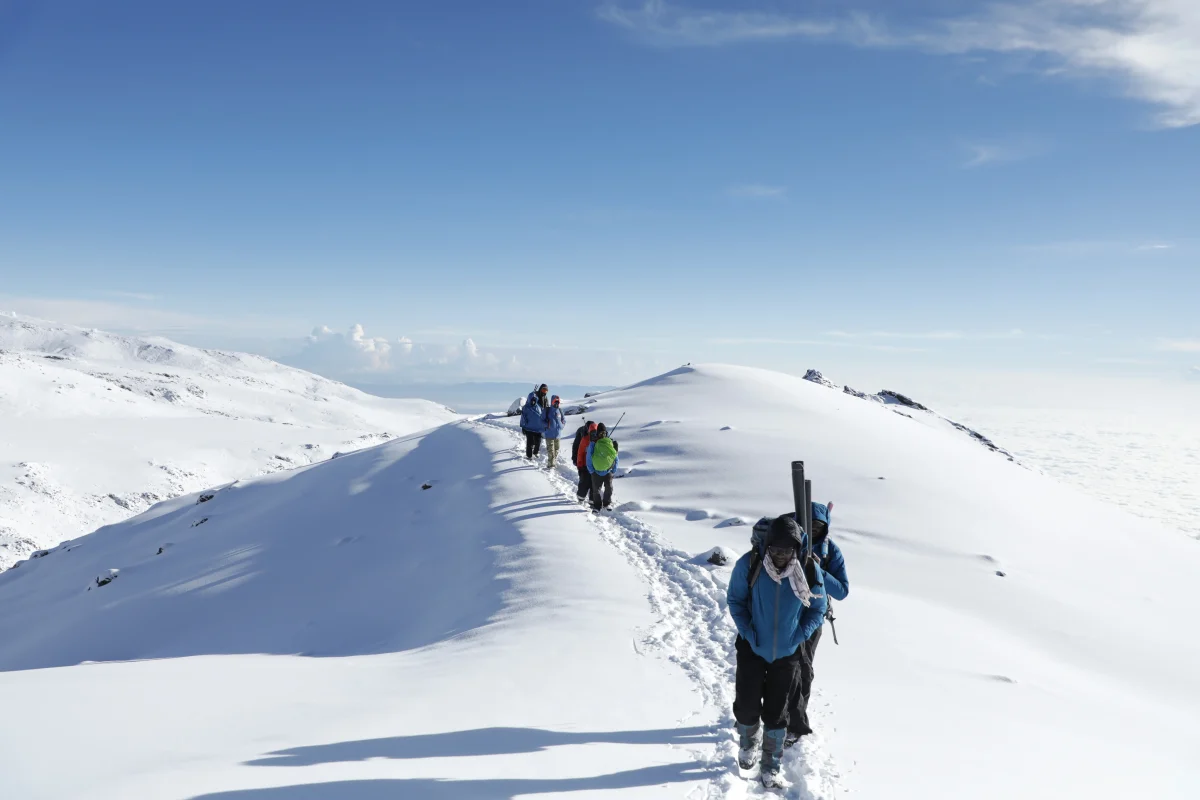
Weather Conditions: June is generally cooler than January and February, particularly at higher elevations. Daytime temperatures at lower elevations can be mild, but temperatures drop significantly as you climb. Above 5,000 metres (16,400 feet), conditions can be extremely cold, especially at night and near the summit. Rain is still possible, particularly in early June, so pack waterproof clothing and warm layers.
Climbing Experience: Climbing Kilimanjaro in June offers a good balance of improving weather and generally fewer climbers than during the busiest months of July, August, and September. Early June can have damp trails and cloudy conditions, but the weather often becomes more settled later in the month. Be prepared for freezing temperatures at higher camps and during the summit attempt.
Summit Success: Good weather can make the climb more comfortable, but it does not guarantee reaching Uhuru Peak. Your chances depend on factors such as route choice, itinerary length, acclimatisation, physical preparation, and your individual response to altitude. Choose an itinerary that allows enough time to adjust to the altitude.
Who Should Climb in June? June is a good option for climbers who want to take advantage of the beginning of the dry season while avoiding some of the peak-season crowds. It may also suit travellers planning to combine their Kilimanjaro climb with a Tanzania wildlife safari during the Great Migration season.
What to Pack: Bring warm layers, waterproof clothing, gloves, a warm hat, and suitable hiking boots. Summit night can be extremely cold, with temperatures sometimes falling well below freezing. A suitable cold-weather sleeping bag and insulated summit clothing are essential.
Planning Tip: If your schedule is flexible, the second half of June may offer drier conditions than the beginning of the month. However, mountain weather is unpredictable, so prepare for rain and cold regardless of your departure date. Booking ahead is advisable if you prefer a particular route or departure date.
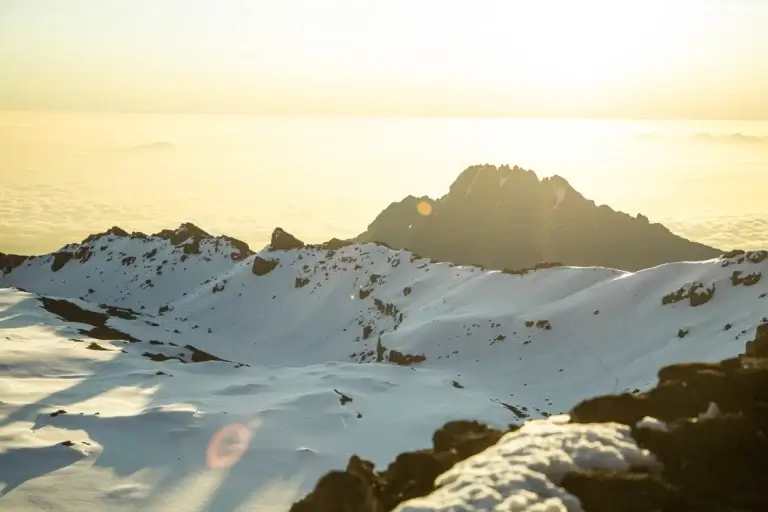
July is one of the most popular months to climb Mount Kilimanjaro. It falls within the long dry season, when conditions are generally favourable for trekking. However, its popularity means busier routes, higher demand for accommodation, and limited availability for preferred departure dates.
Weather Conditions: July is generally dry, with good opportunities for clear skies and mountain views. Daytime temperatures at lower elevations can be mild, but temperatures drop considerably as you gain altitude. Camps near the summit can be extremely cold, and summit night often brings freezing temperatures and strong winds.
Climbing Experience: Climbing Kilimanjaro in July offers generally favourable trekking conditions, although early in the month some areas may still be affected by moisture from the rainy season. Popular routes can be busy, especially around campsites and frequently used trail sections. Good preparation and suitable cold-weather equipment are essential.
Summit Success: Dry weather can make trekking conditions more favourable, but it does not guarantee reaching Uhuru Peak. Your chances depend on your route, itinerary length, acclimatisation, physical preparation, and individual response to altitude. Choose an itinerary that allows sufficient time to adjust to the altitude.
Crowds and Pricing: July is a peak travel month, partly because of school holidays in many countries. Flights, accommodation, and climbing departures can be in high demand, so booking well in advance is recommended. Prices vary by operator, route, and level of service.
Who Should Climb in July? July is a good choice for travellers with fixed summer holiday dates, climbers who prefer generally dry trekking conditions, and visitors planning to combine their climb with a Tanzania safari during the Great Migration season.
Important Consideration: Do not underestimate the cold at higher elevations. Pack insulated layers, warm gloves, a suitable hat, and a sleeping bag rated for the expected mountain temperatures. Ask your operator for a complete equipment list before travelling.
August: Is August a Good Time to Climb Kilimanjaro?
August is one of the busiest months on Mount Kilimanjaro and is popular with climbers seeking generally dry weather and good visibility. It falls within the long dry season, making it a strong option for trekking. However, high demand can mean crowded campsites and fewer available spaces on preferred departures.
Weather Conditions: August is generally dry, with good opportunities for clear skies and views of the mountain. Daytime conditions can be pleasant at lower elevations, but nights become increasingly cold as you climb higher. Temperatures near the summit can fall well below freezing, so proper cold-weather clothing is essential.
Climbing Experience: Climbing Kilimanjaro in August can offer favourable trail conditions and excellent opportunities for mountain photography. However, popular routes such as Machame and Marangu may experience heavy traffic, particularly at campsites. Less busy routes may provide a quieter experience, although no route is guaranteed to be uncrowded.
Summit Success: August generally offers favourable weather for climbing, but summit success depends on more than the season. Route choice, acclimatisation time, physical preparation, and your response to altitude all play important roles. An itinerary with adequate time for acclimatisation should be a priority.
Practical Considerations: August is a peak travel month, so book your climb and accommodation well in advance if you have fixed dates. Compare the total cost, route, number of climbing days, and services included before choosing an operator.
Who Should Climb in August? August suits travellers planning around school holidays, climbers seeking generally dry conditions, and those combining Kilimanjaro with a Tanzania safari. It is particularly suitable for people who can plan ahead and are comfortable sharing popular routes with other trekking groups.
Planning Tip: If you prefer a quieter climb, ask about departure dates and routes that may have fewer trekkers. The Lemosho and Northern Circuit routes are worth comparing for their scenery and longer itinerary options, which can provide more time for acclimatisation.
September: Is September a Good Time to Climb Kilimanjaro?
September is another popular month to climb Mount Kilimanjaro, with generally favourable conditions during the long dry season. It can be a good choice for climbers seeking dry trails, clear views, and comfortable daytime trekking conditions. The mountain remains busy, although crowds vary depending on the route and departure date.
Weather Conditions: September is generally dry, with good opportunities for clear skies and mountain views. Daytime temperatures at lower elevations can be pleasant, while higher camps remain cold, especially overnight. Rain is possible, and conditions can change quickly at altitude, so waterproof clothing and warm layers are still necessary.
Climbing Experience: Climbing Kilimanjaro in September offers a good balance of generally favourable weather and opportunities for clear views. The mountain can still be busy, particularly during the first half of the month. Conditions may vary toward the end of September, so climbers should prepare for possible changes in weather rather than assume the entire month will remain dry.
Summit Success: September can provide favourable trekking conditions, but no month guarantees a successful summit. Your chances depend on the number of days on the mountain, route choice, acclimatisation, preparation, and how your body responds to altitude. Choose an itinerary that gives you enough time to adjust to the lower oxygen levels.
Crowds and Booking: September remains a popular climbing month, so advance booking is recommended, especially if you want a particular route, departure date, or accommodation arrangement. Availability and prices depend on the operator and the services included in your package.
Who Should Climb in September? September is a good option for climbers seeking generally dry conditions and travellers who want to combine their trek with a Tanzania safari. It may also suit those with flexible schedules who can compare different departure dates and routes.
Planning Tip: Book early if your dates are fixed, and compare itineraries based on acclimatisation time rather than price alone. Pack for both mild daytime conditions and freezing temperatures at higher elevations, and remember that mountain weather can change at any time.
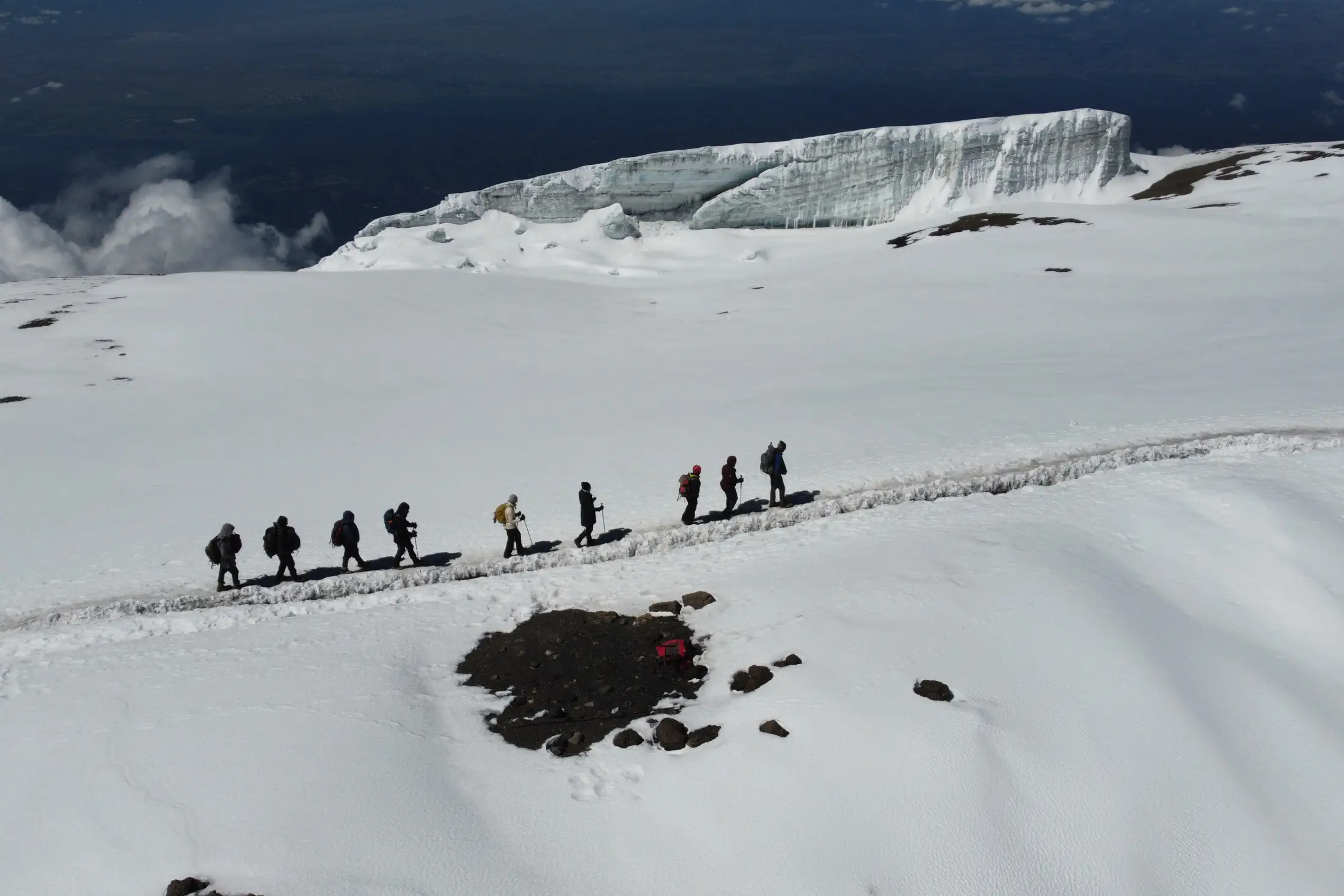
October: Is October a Good Time to Climb Kilimanjaro?
October is a transition month on Mount Kilimanjaro, as the long dry season gives way to the short rainy season. Early October often offers favourable trekking conditions, while rainfall and cloud cover may become more common toward the end of the month. It can be a good option for climbers who want to avoid some of the busiest periods and have flexibility in their travel dates.
Weather Conditions: Early October is often relatively dry, with clear mornings and good opportunities for mountain views. As the month progresses, clouds and occasional rain showers may become more frequent. Temperatures vary with altitude, and higher camps can be extremely cold, especially at night. Prepare for both dry and wet conditions.
Climbing Experience: Climbing Kilimanjaro in October can offer a balance between generally favourable weather and the possibility of fewer crowds than during the peak months. Early October is often the more predictable choice, while late October may bring more variable conditions. Weather can change quickly on the mountain, so flexibility is important.
Summit Success: Your chances of reaching Uhuru Peak depend on weather, route choice, itinerary length, acclimatization, and your individual response to altitude. Early October may offer more favourable weather than later in the month, but no date guarantees a successful summit.
Who Should Climb in October? October may suit climbers seeking generally good trekking conditions without travelling during the busiest part of the dry season. It is also an option for travellers with flexible dates who are prepared for the possibility of rain, particularly toward the end of the month.
Planning Tip: Consider an early October departure if your priority is to climb before the short rains become more likely. If you plan to climb later in the month, bring reliable waterproof clothing and allow flexibility in your expectations. Ask your operator about current conditions and the most suitable route for your dates.
November: Is November a Good Time to Climb Kilimanjaro?
November usually falls within Kilimanjaro’s short rainy season, when rainfall and cloud cover become more common. Although the short rains are generally less intense than the long rainy season, wet trails and changing weather can make trekking more challenging. November may suit travellers seeking a quieter mountain, provided they understand the potential difficulties.
Weather Conditions: Rainfall often increases during November, although its timing and intensity vary from year to year. Showers can affect the forest and lower slopes, while higher elevations remain cold and may experience snow or strong winds. Cloud cover can reduce visibility, and wet conditions may persist along some sections of the route.
Climbing Experience: Climbing Kilimanjaro in November can be more challenging because of muddy trails, rain, and changing visibility. However, conditions are not the same every day, and some periods may offer better weather than others. Fewer climbers may be on the mountain compared with the peak dry-season months, although crowd levels depend on the route and departure date.
Summit Success: Rain and poor visibility can add to the challenges of a November climb, but there is no single reliable summit-success rate that applies to every route and itinerary. Route choice, acclimatization, the number of climbing days, physical preparation, and your response to altitude all influence your chances of reaching Uhuru Peak.
Who Should Climb in November? November may suit travellers whose schedules are limited to this period and those who prefer a quieter trekking experience. Climbers should be prepared for wet conditions and understand that views and trail conditions may be less favorable than during the dry season.
Route Recommendation: The Rongai Route approaches Kilimanjaro from the northern side, which generally receives less rainfall than the southern slopes. It may be worth considering during the short rainy season, but rain is still possible and conditions are never guaranteed.
Advantages of Climbing in November: Depending on the operator and departure date, November may offer greater availability or lower prices than peak-season months. The quieter trails can also appeal to travellers who prefer fewer people. However, compare the total package price and included services, and weigh any savings against the possibility of wet and unpredictable weather.
Planning Tip: If you plan to climb in November, bring waterproof clothing, suitable hiking boots, warm layers, and protection for your backpack and equipment. Discuss seasonal conditions and route options with your operator before booking, and choose an itinerary that allows enough time for acclimatization.
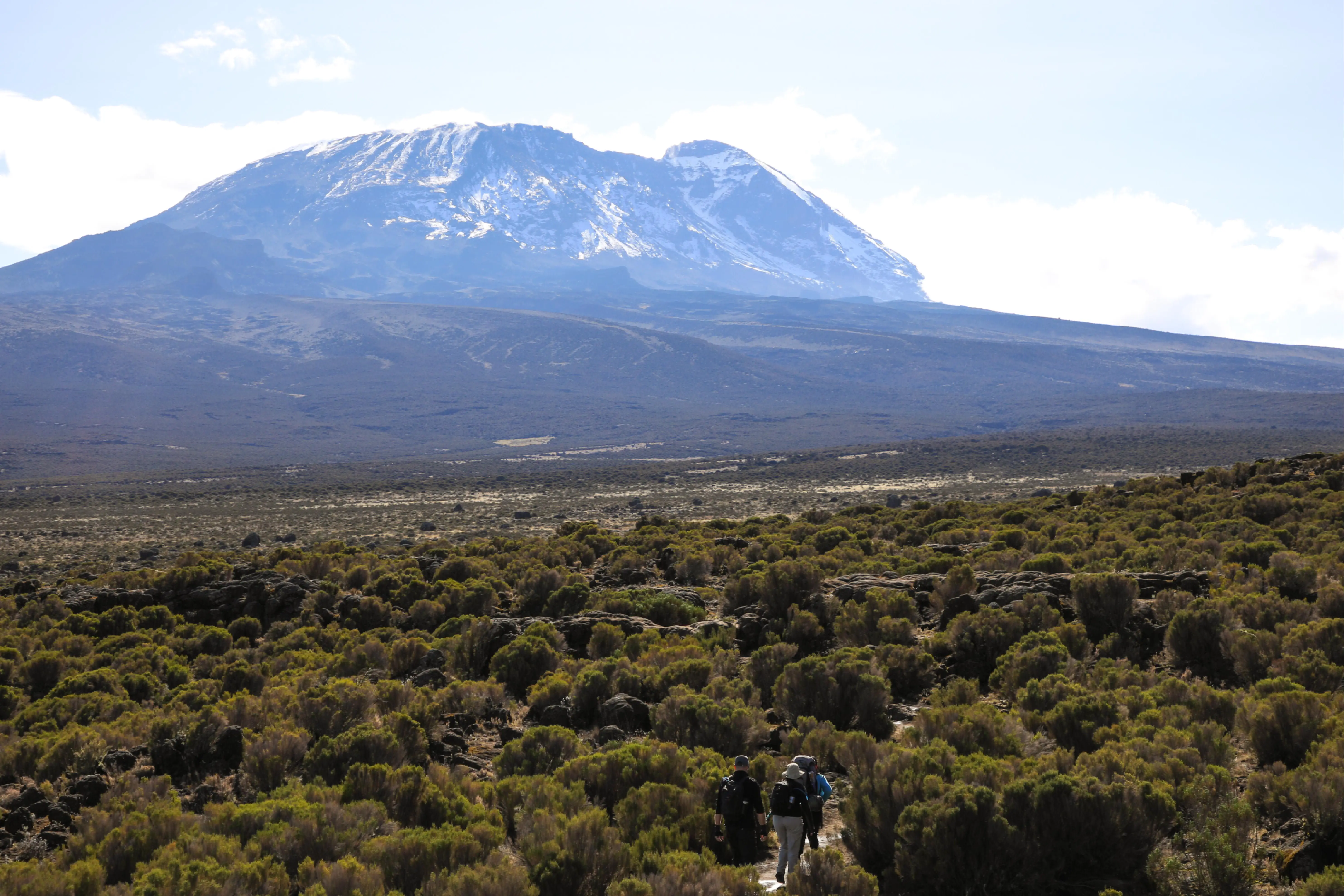
December: Is December a Good Time to Climb Kilimanjaro?
December is a popular month to climb Mount Kilimanjaro, especially around Christmas and New Year. Many travellers use the holiday period to take on the challenge of reaching Uhuru Peak. However, weather conditions vary throughout the month, with early December often affected by the short rains and conditions generally improving as January approaches.
Weather Conditions: Early December can bring rain, cloud cover, and wet trails. Conditions may become drier during the second half of the month, although rainfall remains possible. Temperatures vary considerably with altitude, and nights at higher camps can be extremely cold. Prepare for both wet weather and freezing conditions near the summit.
Climbing Experience: Climbing Kilimanjaro in December can be a good option for travellers with limited holiday time. The first half of the month may present more challenging weather, while late December can offer improving trekking conditions. Christmas and New Year departures are particularly popular, so expect greater demand for climbing permits, guides, and accommodation.
Summit Success: Your chances of reaching Uhuru Peak depend on weather, route choice, itinerary length, acclimatisation, and your individual response to altitude. Late December may offer more favourable weather than early December, but conditions are unpredictable and no departure date guarantees a successful summit.
Practical Considerations: Christmas and New Year are busy travel periods, so book your climb and accommodation well in advance if you have fixed dates. Compare routes, trip duration, and package inclusions before choosing your operator. Allow enough time for acclimatisation rather than choosing a shorter itinerary simply to reduce costs.
Who Should Climb in December? December suits travellers who want to use their year-end holidays for a Kilimanjaro climb, families planning an active holiday, and visitors combining mountain trekking with a Tanzania safari. If your dates are flexible, consider a late December departure, while remaining prepared for changing weather.
Planning Tip: Bring reliable waterproof clothing, warm layers, gloves, a warm hat, and a suitable sleeping bag. Discuss the expected conditions with your tour operator before departure and make sure your itinerary provides sufficient time to adjust to the altitude.
Kilimanjaro Summit Success Rates: How Weather and Route Choice Matter
Your chances of reaching Uhuru Peak depend on several factors, including the time of year, route choice, itinerary length, acclimatisation, physical preparation, and your body's response to altitude. Weather is important, but it is only one part of a successful climb.
How Weather Affects Your Climb: During the generally drier months, trails may be less muddy and visibility may be better. During the rainy seasons, rain, cloud cover, and slippery trails can make trekking more difficult. However, favourable weather does not guarantee a successful summit, and challenging weather does not automatically mean a climb will fail.
Why Route and Duration Matter: Routes differ in difficulty, scenery, and the time they allow for acclimatisation. Longer itineraries generally provide more time for your body to adjust to the lower oxygen levels at altitude. Choosing an itinerary with adequate acclimatisation time is an important part of planning your climb.
Should You Choose a Month Based on Summit Success Rates? Monthly success-rate figures should be treated carefully. Results can differ depending on the operator, route, number of climbing days, and how success is measured. Avoid relying on a single percentage unless its source and methodology are clear.
How to Improve Your Chances of Reaching Uhuru Peak:
Choose a route and itinerary that allow adequate time for acclimatisation.
Prepare with regular hiking and endurance training before your trip.
Follow your mountain guides' advice and report symptoms of altitude sickness promptly.
Pack suitable clothing and equipment for rain, wind, and freezing temperatures.
Choose a licensed, experienced operator with appropriate safety procedures.
Selecting a suitable month can help you plan for expected weather conditions, but the best approach is to combine realistic seasonal planning with adequate acclimatization, preparation, and responsible guiding.
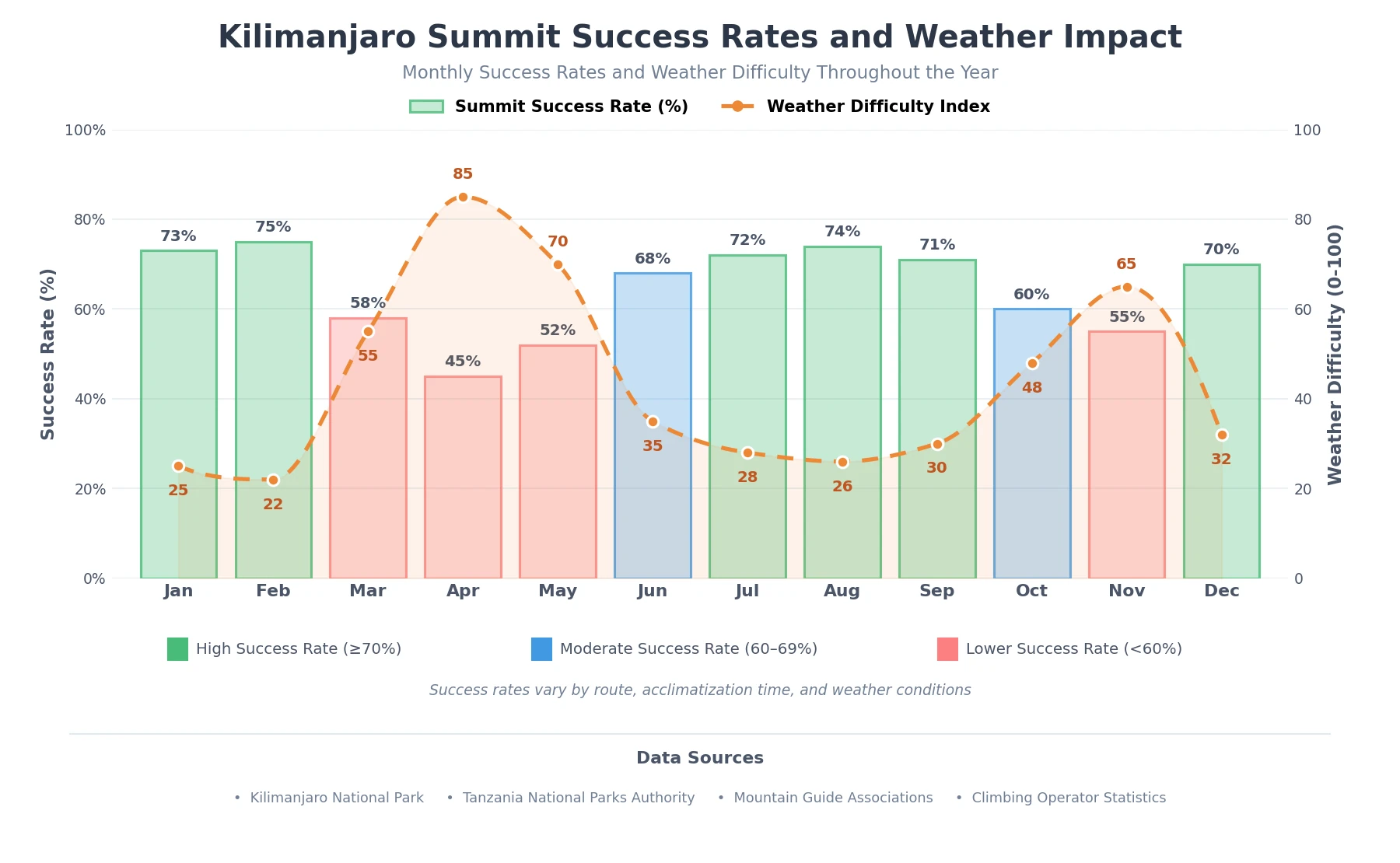 |
Choosing the Best Kilimanjaro Route for Each Season
The best Kilimanjaro route for your climb depends on the time of year, expected weather conditions, available days, and how much time you need to acclimatise. Some routes may be more suitable during the rainy seasons, while others offer different advantages in terms of scenery, duration, and trekking experience.
Best Route During the Rainy Season
During the rainy seasons, particularly April–May and November, the Rongai Route is worth considering. It approaches Mount Kilimanjaro from the northern side, which generally receives less rainfall than the southern slopes. However, rain is still possible, and no route guarantees favourable weather or a successful summit.
Best Routes During the Dry Season
During the generally drier months, the Machame Route, Lemosho Route, and Northern Circuit are popular options. They offer varied scenery and opportunities to experience Kilimanjaro's forests, moorlands, and alpine terrain.
The Northern Circuit is the longest of these routes and allows more time for acclimatisation when completed over a longer itinerary. This can help climbers adjust to the altitude, although summit success is never guaranteed. When comparing routes, consider the number of days on the mountain, the acclimatisation profile, overall cost, and your trekking experience—not just the season.
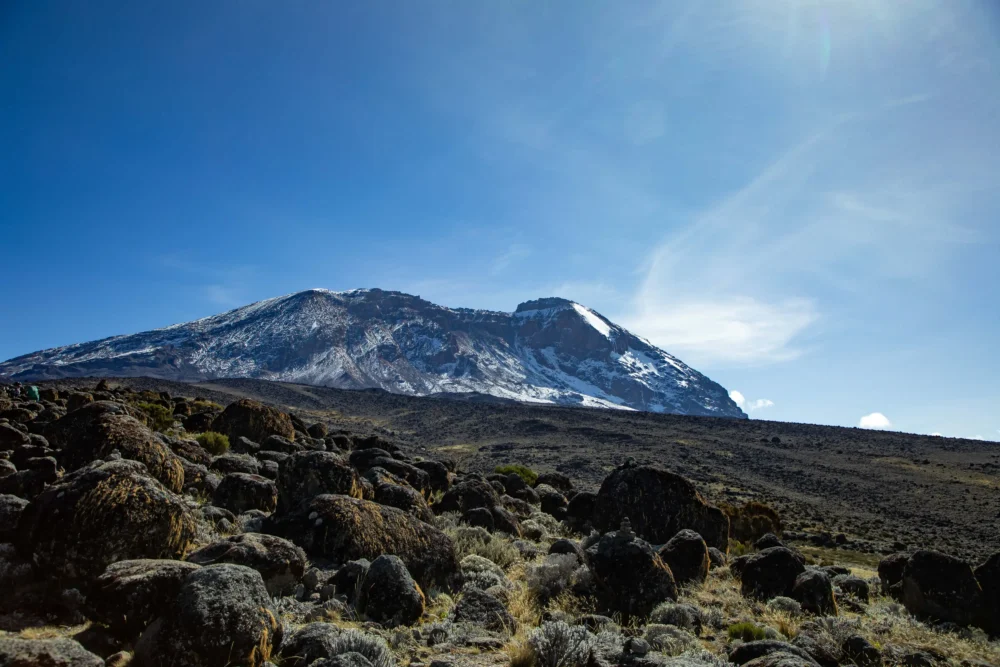
What Are the Best Months to Climb Kilimanjaro?
The best months to climb Mount Kilimanjaro are generally January, February, July, August, and September, when weather conditions are often favourable for trekking. However, the right month for your climb depends on more than the weather. Consider your travel dates, budget, tolerance for cold, preference for quieter trails, and the time you can allow for acclimatisation.
Best Months for First-Time Climbers: January, February, and July to September are popular choices because they generally offer favourable trekking conditions. Regardless of the month, choose a route with enough days for acclimatisation and prepare for changing weather at higher elevations.
Best Months for Fewer Crowds: June and early October may appeal to climbers looking for a balance between generally favourable conditions and fewer people than during peak periods. Early March can also be an option, although rain becomes more likely as the month progresses.
Best Months for Budget-Conscious Travellers: Some operators may offer lower prices during quieter periods, including parts of the rainy seasons. However, compare the full package cost and consider the challenges of wet trails, cloud cover, and colder conditions before booking.
Best Time for Weather and Trekking Conditions: The main climbing periods are generally January to early March and June to October, although weather varies from year to year. February is often popular for its warm conditions, while June marks the beginning of the long dry season. July, August, and September are also popular, but demand can be high.
Ultimately, the best time to climb Kilimanjaro is when you can prepare properly, choose a suitable itinerary, and allow enough time to acclimatise. Work with a reputable, licensed tour operator that prioritises safety and provides clear advice about routes, equipment, and mountain conditions. With realistic expectations and good preparation, you can choose a climbing period that suits your schedule, budget, and trekking goals.
When Is the Best Month to Climb Kilimanjaro?
January, February, and September are popular months to climb Mount Kilimanjaro because they generally offer favourable trekking conditions. January and February are often relatively warm, while September falls within the long dry season and can provide good visibility and trekking conditions.
July and August are also excellent options for many climbers, although these months are particularly busy. If you prefer fewer crowds, consider June or early October, when conditions can still be favourable but weather may be more variable.
No month guarantees good weather or a successful summit. The best time for your climb depends on your travel dates, budget, preferred route, and the time you can allow for acclimatization.
Frequently Asked Questions About Kilimanjaro Routes
Can You Climb Kilimanjaro Year-Round?
Yes, Mount Kilimanjaro can be climbed throughout the year. However, weather conditions vary by season. April and May are part of the long rainy season, while November usually brings shorter rains. During these months, trails can be wet and muddy, and visibility may be limited. Climbers who prefer drier conditions generally choose January to early March or June to October.
What Is the Wettest Month on Kilimanjaro?
April is generally one of the wettest months on Mount Kilimanjaro, as it falls within the long rainy season. May also receives substantial rainfall, particularly on the lower slopes and in the rainforest zone. Rain can make trails muddy and reduce visibility, so climbers should prepare for wet conditions if travelling during this period.
What Is the Coldest Month on Kilimanjaro?
Temperatures on Kilimanjaro vary with altitude, season, and weather conditions. The summit can be extremely cold throughout the year, especially at night and during the final ascent. June to August can bring particularly cold conditions, but there is no single month that is always the coldest. Proper thermal clothing, gloves, and protection from wind are essential for every summit attempt.
What Is the Warmest Month to Climb Kilimanjaro?
January and February are generally among the warmer months for climbing Kilimanjaro, particularly at lower elevations. However, temperatures drop significantly as you gain altitude, and the summit remains cold even during warmer seasons. Prepare for a wide range of temperatures, from warm conditions on the lower slopes to freezing temperatures near the summit.
How Crowded Is Kilimanjaro?
Crowds vary by route and season. July and August are popular climbing months, as are January and February, so the main routes and campsites can be busy. June and September may offer a good balance between weather and visitor numbers, although conditions and crowd levels vary. The quieter rainy seasons can attract fewer climbers, but trails are more likely to be wet. Choosing a less busy route or a departure date outside peak periods may help you enjoy a quieter climb.
Does It Matter Which Day of the Week I Start My Climb?
The day you start can influence how busy your climb feels, but the effect depends on your route, itinerary, and other groups' departure dates. There is not enough reliable evidence to claim that Tuesday to Thursday starts consistently have 25–35% fewer climbers. If avoiding crowds is important, ask your tour operator about planned departure dates, campsite schedules, and alternative routes.
Should You Time Your Climb With the Full Moon?
A full moon can provide extra natural light during the summit ascent, which many climbers find appealing. However, moonlight does not guarantee clear skies, and cloud cover can reduce visibility. Choose a suitable season and itinerary first, then consider full moon dates if you would like a brighter summit night.
How Far in Advance Should You Book Your Kilimanjaro Climb?
Booking early gives you more choice of dates, routes, and accommodation before and after your trek. As a general guide, consider booking 3–6 months in advance for popular climbing periods and earlier if you have fixed travel dates or plan to climb in a group. During quieter periods, later bookings may be possible, depending on operator availability. Confirm your dates with your tour operator before making non-refundable travel arrangements.
Can Weather Forecasts Predict Kilimanjaro Conditions?
Weather forecasts can help you prepare for a Kilimanjaro climb, but mountain conditions can change quickly, particularly at higher elevations. Seasonal patterns provide a useful guide when choosing your travel dates, while short-range forecasts help with day-to-day planning. Your guides should monitor conditions during the trek and make decisions based on the group's safety and the weather.
What Happens if the Weather Is Bad During Your Scheduled Climb?
If weather conditions deteriorate, your guides may adjust the pace or timing of the trek. In severe conditions, they may decide that continuing to the summit is unsafe. The exact response depends on the circumstances, and reaching the summit can never be guaranteed. Before booking, check your operator's cancellation, rescheduling, and refund policies, and choose travel insurance that covers the activities and disruptions relevant to your trip.
Can You Climb Kilimanjaro During Ramadan?
Yes, you can climb Kilimanjaro during Ramadan. The month of Ramadan follows the Islamic lunar calendar, so its dates change each year. Some guides and mountain crew may observe the fast, while individual practices vary. Discuss any practical considerations with your tour operator before departure, and treat crew members' religious practices respectfully. Your operator should ensure that the trek is properly staffed and that the team's welfare and safety are prioritized.