Hot Air Balloon Safari in Tanzania: The Complete Guide (2026/2027)
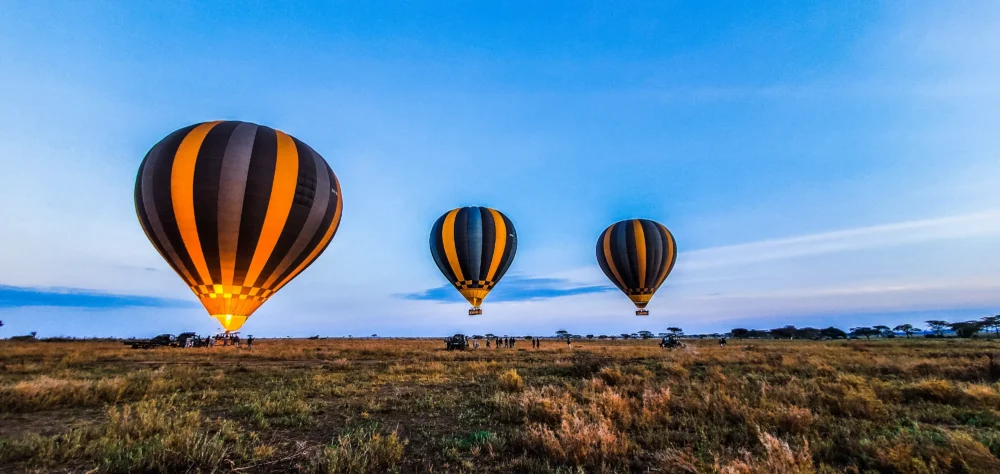
There are few experiences on earth that compare to drifting silently above the African savanna at sunrise. A hot air balloon safari in Tanzania lifts you above the endless Serengeti plains, the towering baobabs of Tarangire, or the wild rivers of Ruaha, offering a perspective on wildlife and wilderness that no game drive can match. As the first golden light breaks across the horizon and herds of wildebeest stretch to every side below you, it becomes clear: this is one of Africa's truly unforgettable bucket-list moments.
This guide covers everything you need to know about planning a balloon safari in Tanzania: the best locations, what to expect on the flight, pricing, wildlife highlights, and expert tips for booking the perfect experience.
Where Can You Do a Balloon Safari in Tanzania?
Balloon safaris in Tanzania run in four parks, and each gives you a very different view. The Serengeti is the most popular, Tarangire is the best value for elephants, and Ruaha and Nyerere suit travelers who want a quieter southern trip.
Serengeti Balloon Safari: Where Most Travellers Fly
The Serengeti is the most iconic and most popular location for balloon safaris in Tanzania, and for good reason. The plains are breathtaking from the air, with wildlife spread across the landscape in every direction. Launch sites are spread across the park, in Central Serengeti near Seronera, the Western Corridor, and Northern Serengeti near the Mara River, so you can fly over whichever zone hosts the most wildlife during your visit.
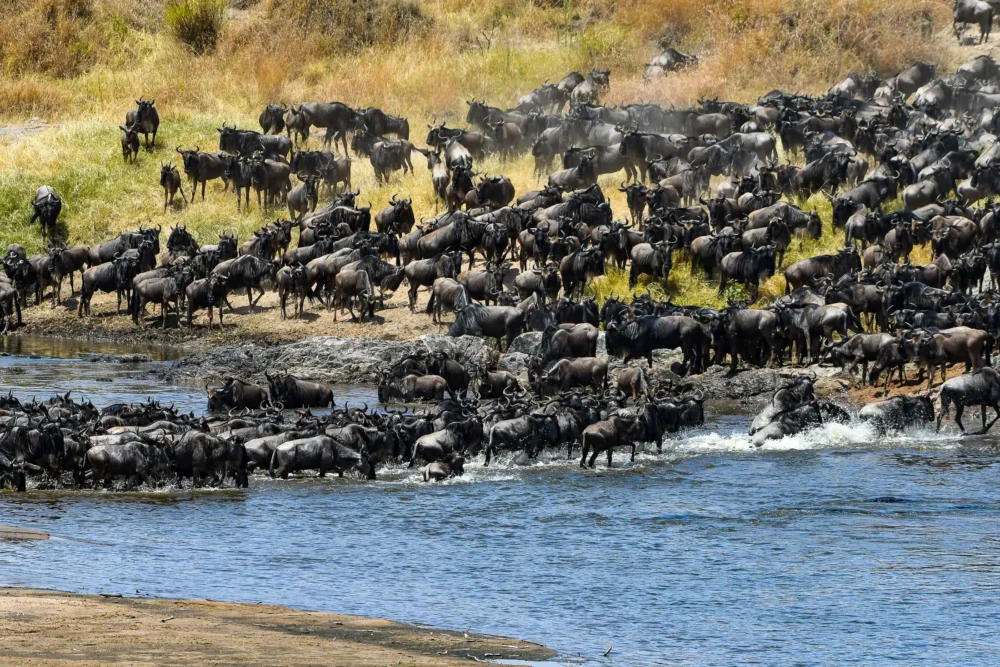
It is also the only place in Tanzania where you can witness the Great Wildebeest Migration from the air. Watching a column of wildebeest and zebra snake across the plains from a balloon basket is a sight that stays with you for life. Flights cost approximately $599 per person and last 50 to 70 minutes.
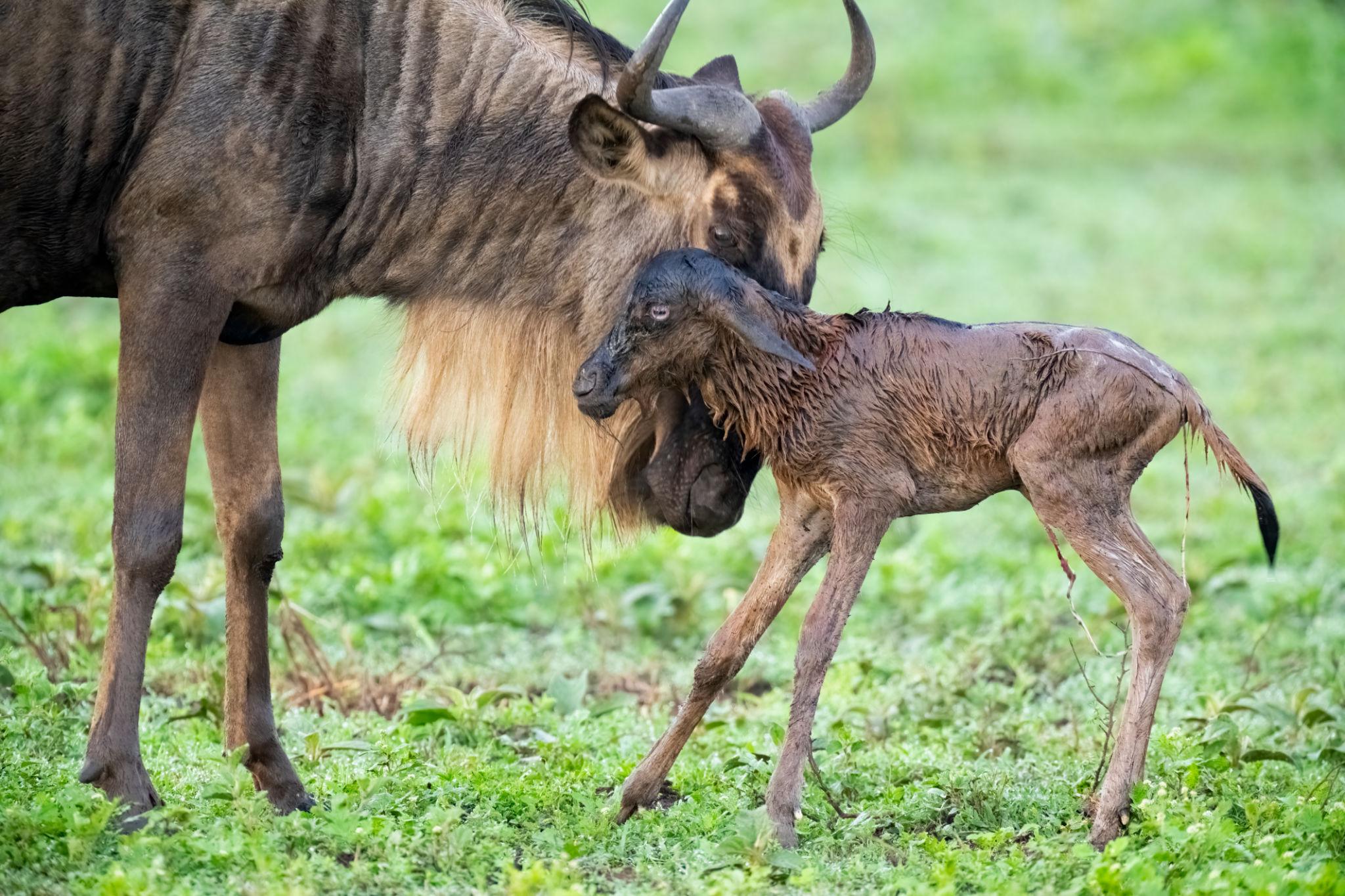
Best time: Flights run all year. January to March is calving season in the south around Ndutu, July to October brings the river crossings in the north, and June to November has the clearest skies.
Hot air balloon safari flying over elephant herd on the Serengeti plains, Tanzania
Tarangire Balloon Safari: Elephants and Baobabs From Above
Tarangire is one of Tanzania’s most underrated balloon safari destinations. Famous for its enormous elephant herds, sometimes numbering in the hundreds, and its ancient, gnarled baobab trees that dot the landscape like something from a storybook, Tarangire looks truly extraordinary from the air. Flights here are slightly less expensive than the Serengeti, typically priced around $549–$599 per person, and the experience tends to be more intimate with fewer visitors in the park.
Between June and October, Tarangire sees its own mini-migration as animals flood in from the surrounding dry regions, with over 200,000 animals entering the park. Seeing this convergence of wildlife, elephants, buffalo, zebra, wildebeest, and diverse predators, from a balloon makes for a genuinely remarkable morning.
Hot air balloon safari flying over the Tarangire wildlife, Tanzania
Ruaha Balloon Safari: Remote and Quiet
For travelers seeking a more exclusive balloon experience, Ruaha National Park in south-central Tanzania is a superb alternative. Ruaha is one of Tanzania’s largest parks and sees far fewer visitors than the Northern Circuit, making your balloon flight feel truly private. Flies follow the Ruaha River valley, a permanent water source that draws extraordinary concentrations of elephants, buffaloes, lions, and hippos.
The landscape here is dramatic, a mix of miombo woodland, rocky escarpments, and riverine forest, which makes for stunning aerial photography. The flight culminates with a classic bush breakfast served in ‘Out of Africa’ style with bone china and white linen. Balloon flights in Ruaha are operated by specialist companies and should be booked well in advance.
Hot air balloon drifting above wildlife along the Ruaha River at sunrise, Tanzania
Nyerere Balloon Safari: The Rufiji River Floodplain
Nyerere National Park (formerly Selous Game Reserve) in southern Tanzania is another excellent option for balloon safaris, particularly for travellers combining asouthern circuit itinerary. The Rufiji River and its vast floodplain make for spectacular aerial scenery, with large concentrations of hippos, crocodiles, and diverse birdlife visible from above.
Which Park Should You Choose?
Serengeti: best for the Great Migration and wide-open views. Most expensive and busiest.
Tarangire: best for elephants and baobabs. Better value and quieter, and the best months are June to October.
Ruaha: best for a remote, private feel. Lower price, but harder to reach and needs more planning.
Nyerere: best for river scenery and birds. Good if you are already travelling the southern circuit. If this is your first Tanzania safari and you can only fly once, we usually recommend the Serengeti. If you are more interested in elephants and a quieter morning, Tarangire is excellent.
When Is the Best Time for a Balloon Safari in Tanzania?
Balloon safaris operate year-round in Tanzania, but the experience varies by season and location. Here is a month-by-month overview:
Month (s)
Best Location
Wildlife / Conditions
Notes
Jan - Mar
Southern Serengeti / Ndutu
Wildebeest calving season—up to 500,000 calves born
Peak season: book months ahead
Apr - May
Tarangire, Ruaha
Long rains; less ideal for Serengeti; lush green landscapes
Short rains arrive mid-Nov; spectacular storms and skies
Scenic, but some early rain
The dry season (June to October) consistently offers the clearest skies and most comfortable flying conditions across all locations. Winds are lightest at dawn year-round, which is why all balloon flights depart before sunrise. What to Expect on a Balloon Safari in Tanzania? A Tanzania balloon safari is more than a flight; it’s a full morning experience that unfolds in several memorable stages:
Pre-Dawn Pick-Up (04:30–05:00)
Your adventure begins with an early wake-up call at your lodge or tented camp. A transfer vehicle collects you before dawn and drives you to the launch site, often passing nocturnal wildlife along the way. Hot drinks. tea, coffee, or hot chocolate. And light snacks are typically provided on arrival at the launch site.
Safety Briefing & Inflation (05:30–06:00)
At the launch site, you’ll meet your pilot and crew for a thorough safety briefing. You’ll learn the correct body position for landing, how to hold on to the ropes, and what to expect during the flight. While the briefing takes place, the ground crew inflates the balloon, a spectacular sight in itself as the enormous envelope fills with hot air and slowly rises from the ground.
The Flight—50 to 90 Minutes Aloft
As the balloon lifts off the ground, the Serengeti opens up beneath you in a way you simply can’t experience from a game drive vehicle. You drift quietly through the air, sometimes skimming just above the treetops, sometimes rising higher to take in the full landscape below. Your pilot will point out wildlife as you float along and make sure you get the best views possible. The only sound you’ll hear is the occasional roar of the burner; everything else is pure silence. From up here, you’ll see things that no safari vehicle can show you. Huge herds spread across the plains as far as the eye can see, lions moving through the grass, rivers winding through the woodland, and the true size of this incredible wilderness laid out all around you.
Landing & Champagne Celebration
After 50 to 90 minutes in the air, the pilot brings the balloon in for a gentle landing, sometimes in the middle of the open plains. The crew welcomes you back to earth with a glass of champagne (or sparkling wine) in the traditional balloon safari toast. Each guest receives a personalized flight certificate commemorating the experience.
Champagne celebration after a hot air balloon safari landing in the Serengeti, Tanzania
The Bush Breakfast
After you land, a full breakfast is served right there in the bush. Tables are set up in a beautiful spot with proper linen, glassware, and a choice of hot and cold food. You sit and eat surrounded by the African wilderness, often with wildlife visible not far away. It is a truly special way to end the morning and a meal you will not forget in a hurry.
Wildlife You Can See on a Balloon Safari in Tanzania
From up in the air, you get to see wildlife in a completely different way. You can spot animals in huge numbers and see how they move across the landscape, something you just cannot do from a vehicle. Here are some of the best wildlife sightings you can expect on a Tanzania balloon safari:
Wildebeest & Zebra Herds: See the Great Migration as a continuous river of animals stretching to the horizon, a perspective impossible from a vehicle.
Elephants: In Tarangire especially, large family groups of 50–300 elephants moving through the landscape are a mesmerizing sight from above.
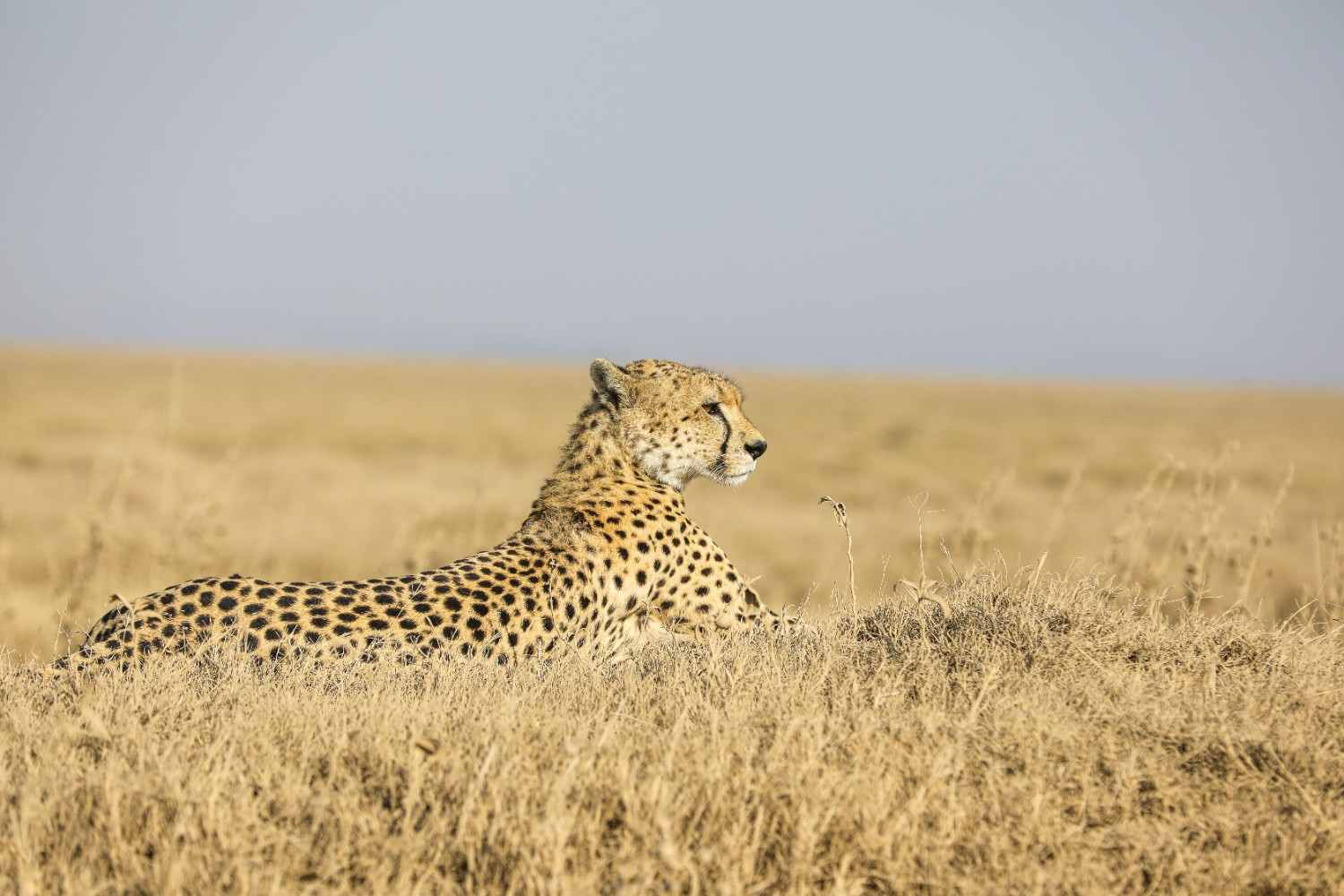
Lions & Cheetahs: Predators are often visible from the air, especially at dawn when they are most active. Pilots are experts at spotting them from altitude.
Giraffes: The gentle movement of giraffes across the savanna is especially beautiful when seen from balloon height.
Buffalo Herds: Massive buffalo aggregations of hundreds of animals are a dramatic sight from above.
Hippos: From the air, hippo pods in rivers and waterholes are clearly visible in numbers that surprise even experienced safari-goers.
Birds: Over 500 bird species in the Serengeti, including raptors, secretary birds, crowned cranes, and vultures, become highly visible from balloon height.
Big Five: Lion, leopard, elephant, buffalo, and rhino are all potentially visible from balloon flights across Tanzania’s parks.
How Much Does a Balloon Safari in Tanzania Cost?
Balloon safaris in Tanzania are a premium experience and priced accordingly. Here is a transparent breakdown of current costs by location:
Location
Price Per Person
Duration
Typical Inclusions
Serengeti National Park
$599 USD
50–90 minutes
Transfer, flight, champagne, bush breakfast, certificate, park fees
Tarangire National Park
$549–$599 USD
60 minutes
Transfer, flight, champagne, bush breakfast, certificate
Ruaha National Park
$450–$550 USD
~60 minutes
Transfer, flight, champagne, full English bush breakfast, certificate
Nyerere (Selous) NP
$400–$500 USD
~60 minutes
Transfer, flight, champagne, bush breakfast
Prices include the TANAPA ballooning concession fee (approx. $40) in the Serengeti. Some balloon operators offer group discounts, early bird pricing, or package deals when booking a balloon alongside a broader Tanzania safari itinerary. Always confirm what is included before booking.
What's Included in a Tanzania Balloon Safari?
Most balloon safari packages in Tanzania include the following:
Pre-dawn vehicle transfer from your lodge to the launch site
Hot drinks (tea, coffee, hot chocolate) and light snacks on arrival
Full safety briefing from your licensed pilot
50–90-minute hot air balloon flight
Champagne or sparkling wine toast on landing
Full bush breakfast at a scenic location
Official balloon flight certificate
Return vehicle transfer to your lodge or next destination
TANAPA concession fee (Serengeti) or equivalent park flying fee
What is typically NOT included: travel insurance, gratuities for pilot and crew, personal equipment, add-on photography packages (some operators offer professional aerial photography separately).
Are Hot Air Balloon Safaris in Tanzania Safe?
Tanzania’s balloon safari operators maintain strong safety records and work with licensed, experienced pilots. The country’s main balloon operators have been running flights for 25–35 years without major incidents. To ensure you fly with a reputable company, ask the following questions before booking:
Is the pilot licensed by the Tanzania Civil Aviation Authority (TCAA)?
How many hours of flight experience does the pilot have?
When was the balloon’s last airworthiness inspection?
What is the maximum passenger capacity per basket?
What weather conditions cause flights to be cancelled?
Balloon safaris are not recommended for pregnant women, children under 7 years of age, or individuals with significant mobility limitations, heart conditions, or vertigo.
What to Wear, Bring and Photograph
What to Wear
Dress in warm layers. It can be 10 degrees cooler in the air than on the ground, and the mornings are cold before sunrise.
Wear closed shoes suitable for uneven ground.
Avoid loose scarves or hats that could blow away.
Neutral colours are ideal, though not essential.
What to Bring
Binoculars, which help a lot for spotting wildlife from the air.
A light snack only before the flight. A full stomach and balloon movement don't mix well for some people.
Keep your camera and belongings inside the basket at all times.
Photography Tips
Use a fast shutter speed for moving wildlife, because the basket vibrates slightly.
A 70 to 300 mm zoom lens is ideal for wildlife, and a wide-angle lens is best for landscapes.
Protect your camera from dust when you land.
Charge your batteries the night before, because cold reduces battery life.
Shooting in RAW gives you more flexibility when editing.
Stay quiet when the pilot points out wildlife, so everyone can enjoy the moment.
How Far Ahead Should You Book a Balloon Safari?
Book as early as you can. Popular dates sell out three to six months ahead, especially during the Migration (July to October) and calving season (January to March). Even in the shoulder season, balloon capacity is limited, so book at least a few weeks in advance.
If you book through us, we reserve your slot as part of your safari itinerary and confirm it again about 48 hours before your flight.
How much does a hot air balloon safari in Tanzania cost?
Prices range from about $400 to $599 per person depending on the park. The Serengeti is the most expensive at about $599, Tarangire is $549 to $599, Ruaha is $450 to $550 and Nyerere is $400 to $500. Prices usually include transfers, the flight, champagne, a bush breakfast and a certificate.
When is the best time for a balloon safari in Tanzania?
Flights run all year. For the Serengeti, July to October is best for the river crossings and January to March for calving season. For Tarangire, June to October is best. The dry season has the clearest skies in all parks.
How long does a balloon safari last?
The flight lasts about an hour, anywhere from 50 to 90 minutes depending on the wind. The whole experience, including pick-up, briefing, flight, champagne and breakfast, takes about 3 to 4 hours.
Can children go on a balloon safari?
Most operators set the minimum age at 7. Children must be able to follow safety instructions, hold on during landing and climb in and out of the basket on their own.
What wildlife can I see from a balloon?
In the Serengeti you can see wildebeest, zebra, elephants, lions, cheetahs, giraffes, buffalo, hippos and many birds. In Tarangire the main sights are elephant herds and baobab trees. Ruaha and Nyerere are known for river wildlife. Sightings depend on the season and location.
Do I need to book in advance?
[Yes. Book three to six months ahead for peak seasons (July to October and January to March). Even in quieter months, book at least a few weeks before.
What is the difference between a Serengeti and a Masai Mara balloon safari?
Both offer excellent flights over famous wildlife areas, and both can include the Great Migration at the right time of year. The Serengeti is a much larger ecosystem with more launch locations, while the Masai Mara is more compact. Prices in each depend on the operator and season, so compare current rates before you decide. Some travellers combine both on a cross-border trip.
What happens if the flight is cancelled because of weather?
Operators cancel flights when wind, visibility or cloud makes flying unsafe. Most will reschedule you or offer a refund, but policies vary, so confirm the cancellation terms in writing when you book.
Is a balloon safari worth it?
For most people, yes, especially in the Serengeti during the Migration or on a special occasion. It gives you scale and a different perspective, but it is not a close-up wildlife experience, so combine it with game drives.
Ready to plan your Tanzania trip?
Tell us your dates and budget and our safari specialists will send a free tailor-made quote within 24 hours.



 Exceptional Travel Expert