 Exceptional Travel Expert
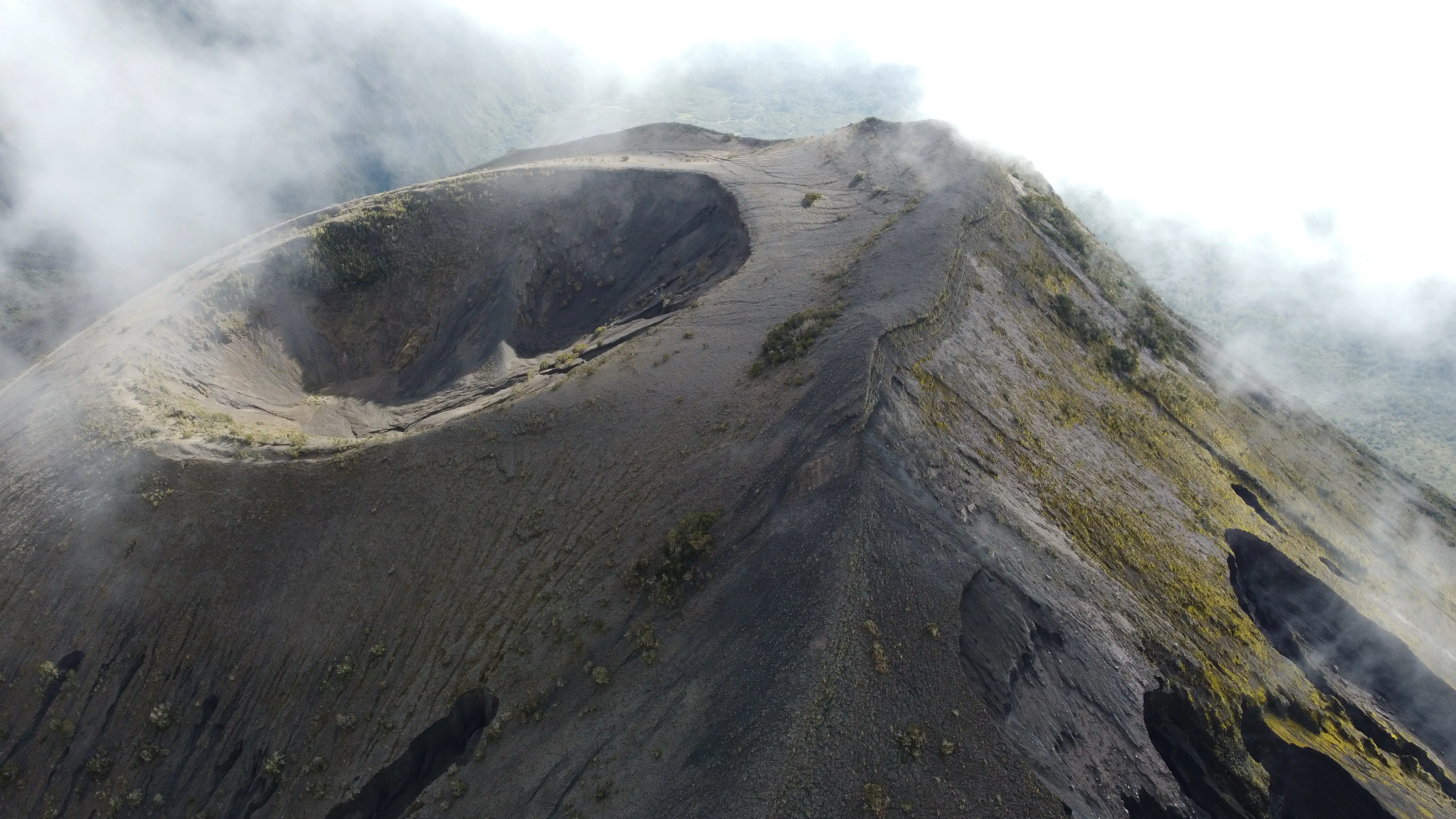
Mount Meru Climbing in Tanzania
Climb Mount Meru in Tanzania with a local tour operator based in Arusha. Standing at 4,566 metres (14,980 feet), Mount Meru is Tanzania's second-highest mountain and a rewarding destination for hikers who want to experience mountain scenery, wildlife, and high-altitude trekking.
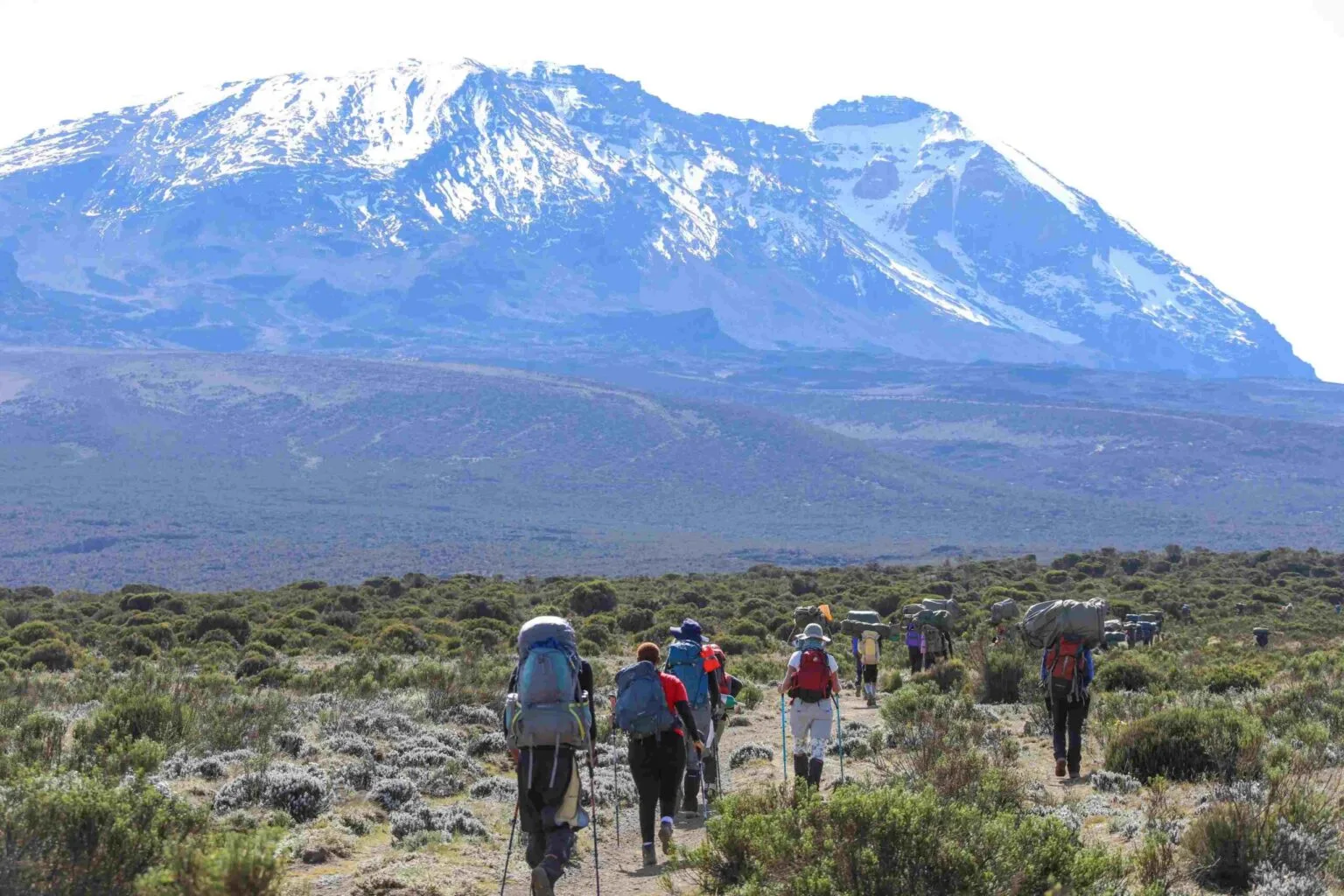
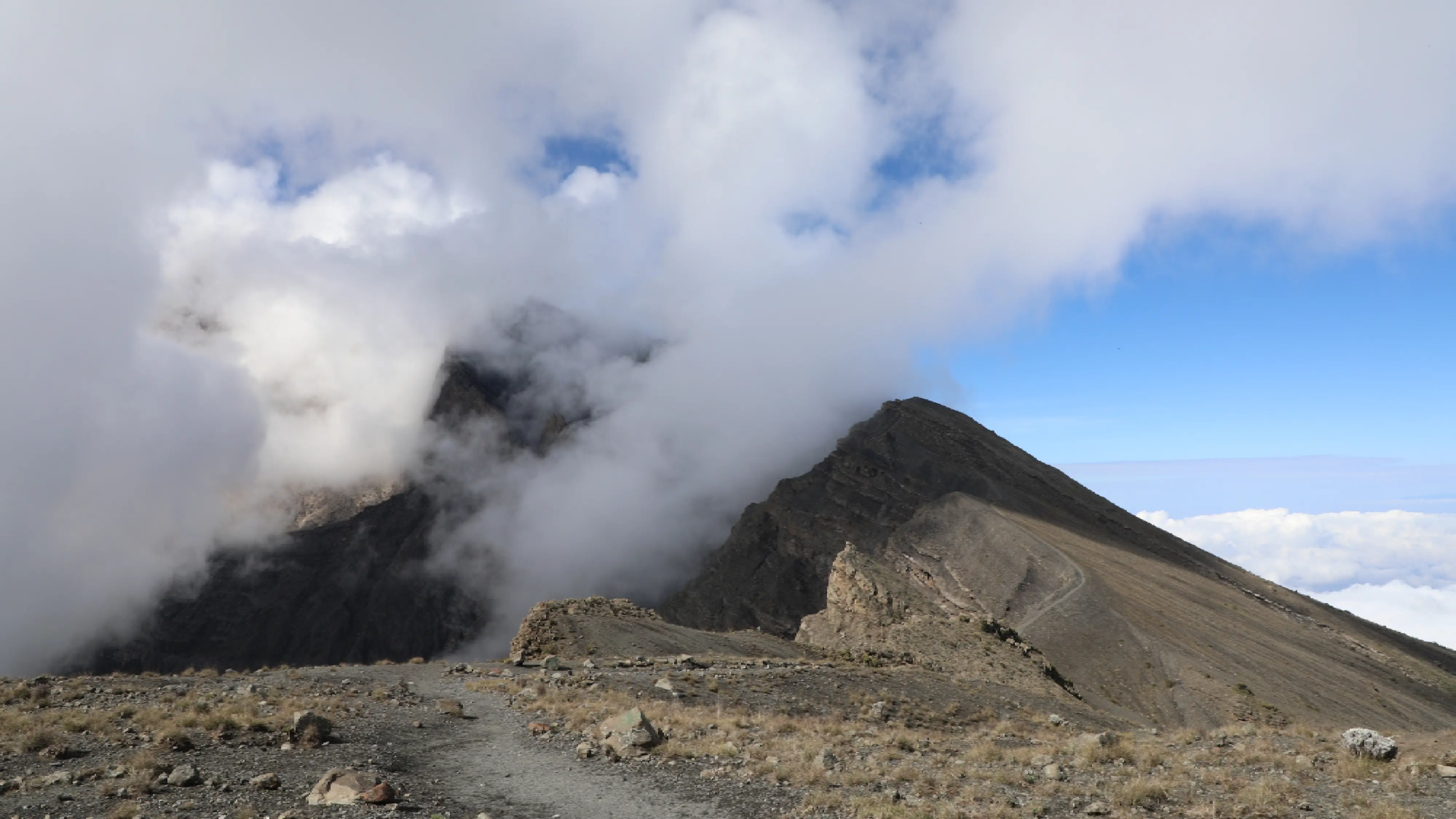
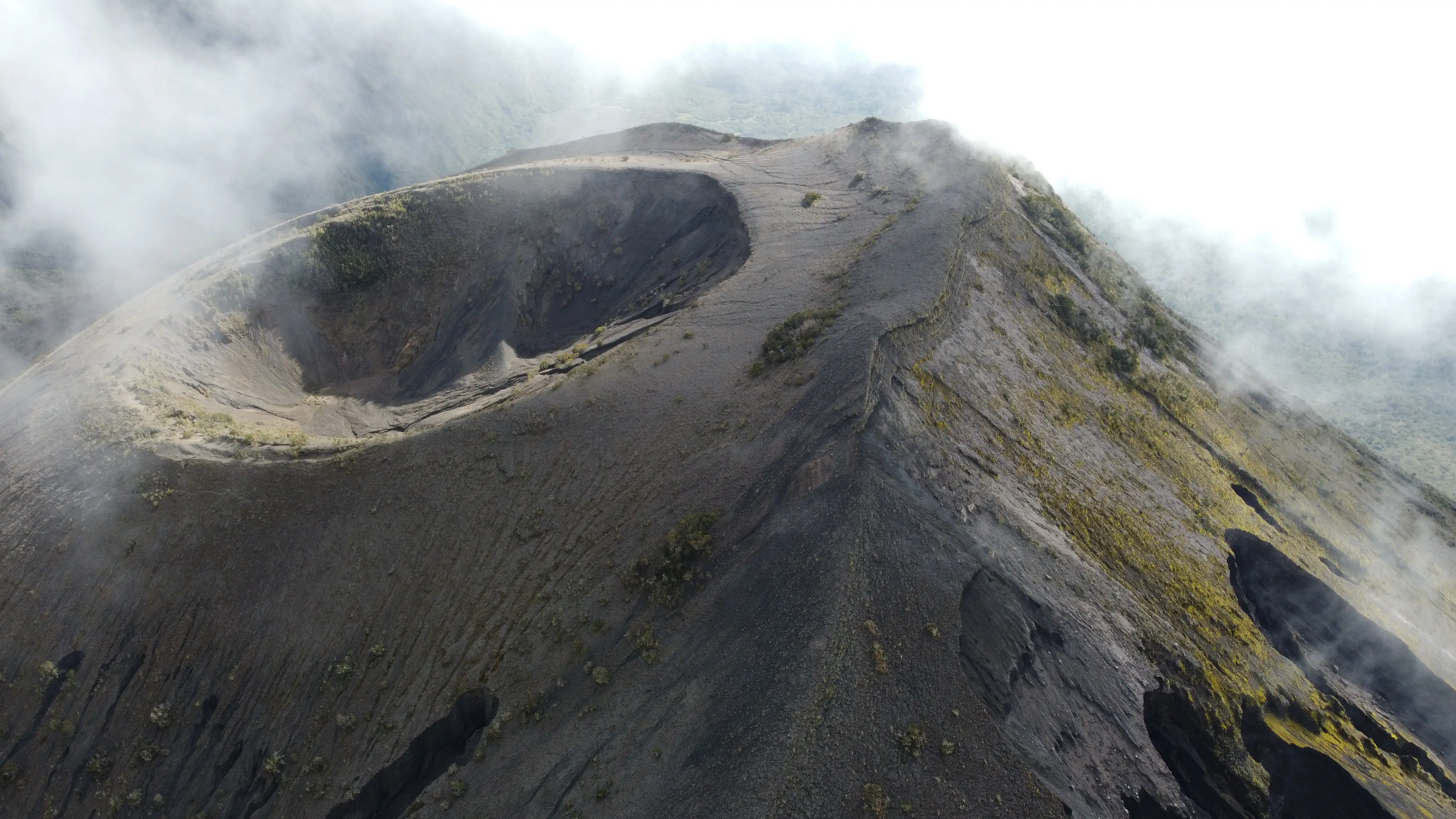
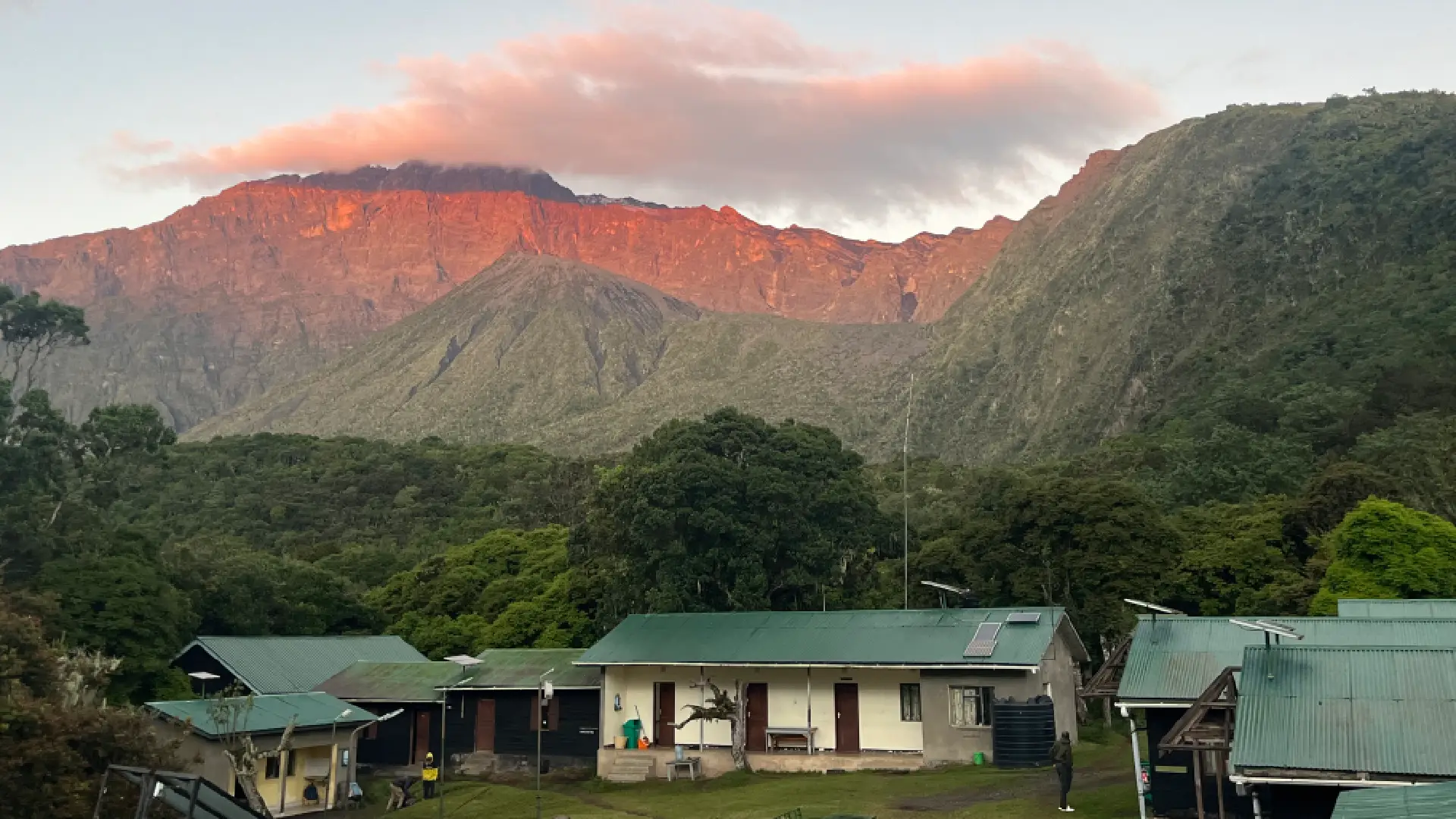
The Mount Meru climbing route passes through open grassland, montane forest, and higher mountain vegetation before reaching the dramatic crater rim and Socialist Peak. Along the way, you may see wildlife in Arusha National Park, enjoy views across the surrounding landscape and, when conditions allow, see Mount Kilimanjaro from the mountain.
We offer 3-day and 4-day Mount Meru climbing options for travelers with different schedules and hiking experiences. The four-day itinerary allows more time on the mountain and is the option we recommend for most climbers. You can compare the itineraries below and contact our team for a quotation based on your travel dates and group size.
Quick facts about Mount Meru climbing
| Location | Arusha National Park, Tanzania |
Summit height | 4,566 metres |
Climbing route | Momella Route |
Climbing duration | 3 or 4 days |
Difficulty | Moderate to challenging |
Accommodation | Mountain huts |
Starting point | Momella Gate |
Guided climb | Yes, with a park ranger |
Best time to climb | Generally January to February and June to October |
Mount Meru Climbing Packages and Prices
We offer different Mount Meru climbing packages to suit different travel plans and budgets. You can choose a full mountain climb or a shorter hike to experience the lower slopes of Mount Meru.
The 4-day climb is our recommended option for travellers who want more time on the mountain. The 3-day climb is a shorter alternative for fit hikers who understand the physical demands of a faster ascent and descent.
Mount Meru Climbing Packages
Choose a Mount Meru climbing itinerary that suits your schedule, fitness, and experience. Both options follow the Momella Route, but the number of days changes how the descent is arranged.
4-Day Mount Meru Climb
Our recommended option
The 4-day Mount Meru climb gives you more time to complete the route and breaks up the descent after the summit attempt. You spend nights at Miriakamba Hut and Saddle Hut before climbing to Socialist Peak and returning to Miriakamba Hut for another night.
This option is suitable for trekkers who prefer a more gradual itinerary and want additional time for acclimatization. It is also a good choice for travelers who want to experience Mount Meru before continuing to other destinations in Tanzania.
- Duration: 4 days
- Route: Momella Gate – Miriakamba Hut – Saddle Hut – Socialist Peak – Miriakamba Hut – Momella Gate
- Accommodation: Mountain huts
- Summit altitude: 4,566 metres
- Recommended for: Most climbers who can allow four days for the trek
3-Day Mount Meru Climb
The 3-day Mount Meru climb is an option for travellers with limited time and good hiking fitness. It follows the same main route but combines the summit attempt and a longer descent into one demanding day. The summit day can be physically tiring, especially after starting during the night. Consider your fitness, hiking experience, and ability to manage a long day on steep and rocky terrain before choosing this itinerary.
- Duration: 3 days
- Route: Momella Gate – Miriakamba Hut – Saddle Hut – Socialist Peak – Momella Gate
- Accommodation: Mountain huts
- Summit altitude: 4,566 metres
- Recommended for: Fit hikers who understand the demands of the shorter itinerary
Mount Meru Climbing Itinerary
Which Mount Meru Climb Should You Choose?
| Feature | 3-Day Meru Climb | 4-Day Meru Climb |
| Duration | 3 days | 4 days |
| Time on the mountain | Shorter time on the mountain | More time on the mountain |
| Summit day | Includes a long descent towards the gate | Descend to Miriakamba Hut after the summit |
| Accommodation | Mountain huts | Mountain huts |
| Best suited to | Fit hikers with limited time | Most climbers who can allow an extra day |
| Our recommendation | For suitable, experienced hikers | Preferred option for most travelers |
The 4-day climb is generally the better choice because it avoids completing the entire descent to the gate on summit day. However, neither itinerary removes the risks associated with altitude. Your guide will assess conditions and your well-being throughout the climb.
Why Climb Mount Meru?
Mount Meru offers a mountain experience that combines hiking, wildlife and volcanic scenery. It is a worthwhile destination in its own right and can also fit into a longer Tanzania itinerary.
Reach Socialist Peak at 4,566 Metres
Socialist Peak is the highest point on Mount Meru. Reaching the summit requires a demanding ascent along the crater rim, often beginning during the night so climbers can aim to reach the top around sunrise.
From the summit, you may see the volcanic crater, the ash cone below and Mount Kilimanjaro on the horizon when the weather is clear.
Walk Through Arusha National Park
The lower slopes of Mount Meru lie within Arusha National Park. The route passes through different natural environments, including open grassland and forest.
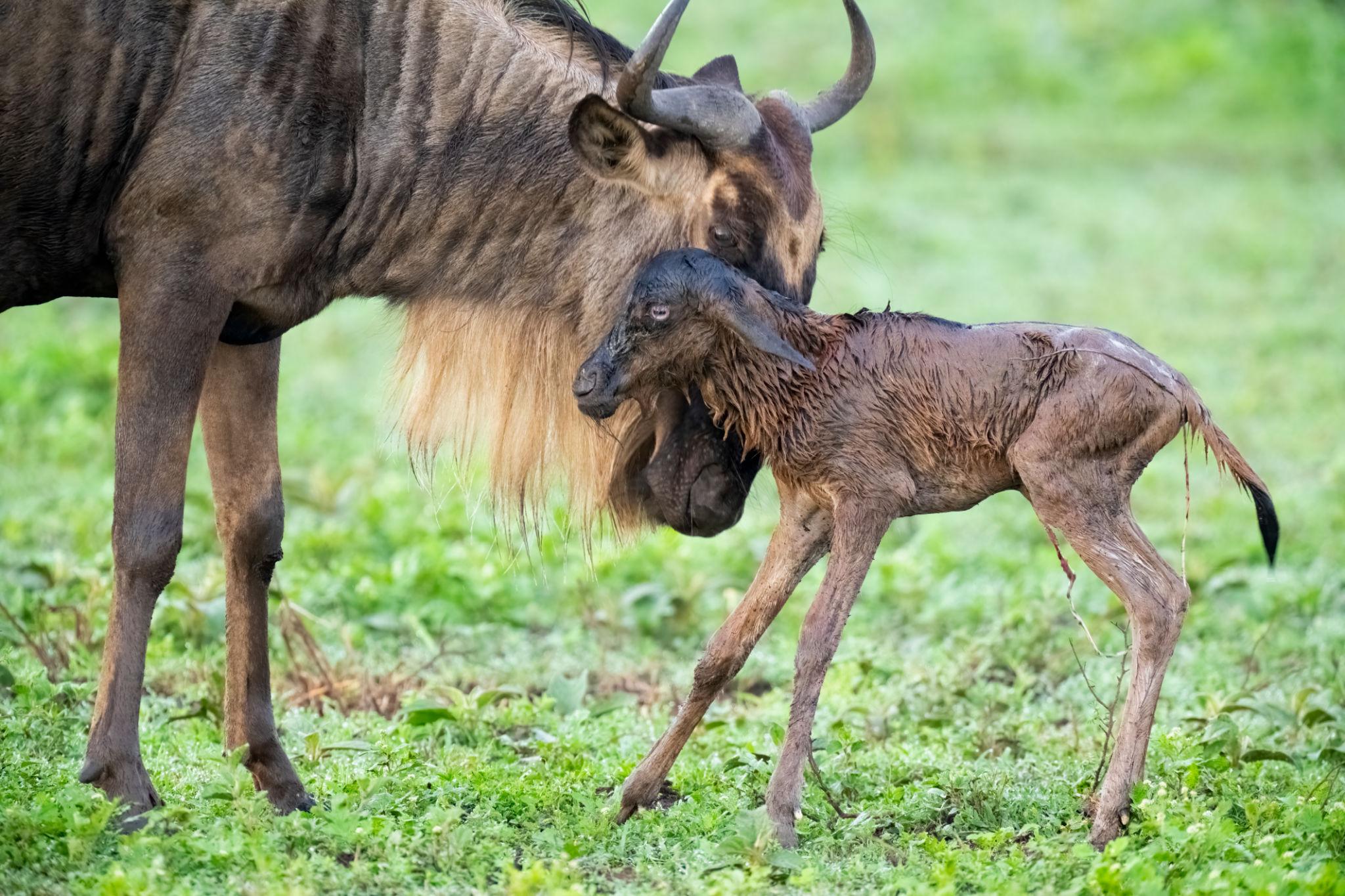
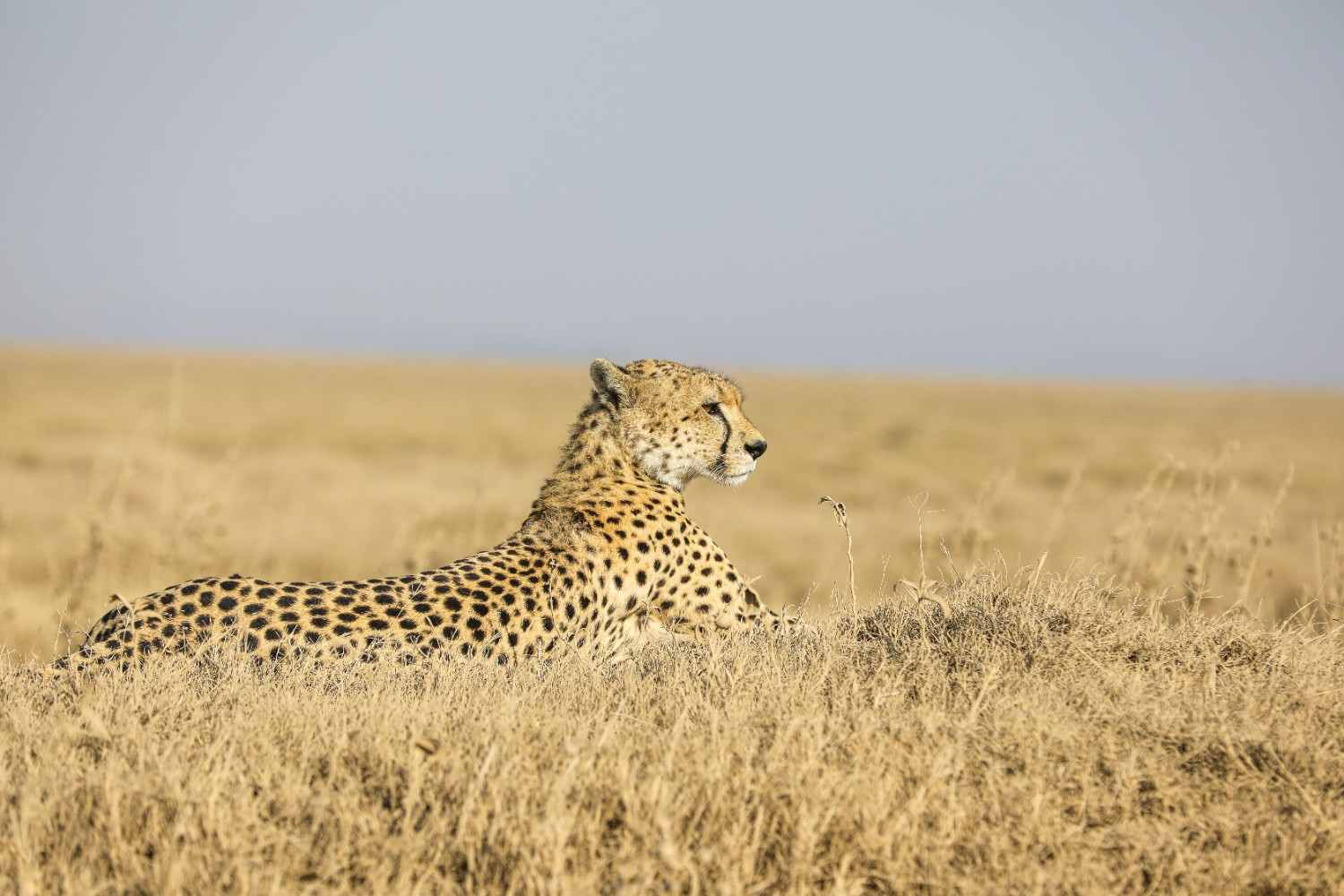
Wildlife that may be seen in the park includes giraffes, buffaloes, warthogs and black-and-white colobus monkeys. Sightings are not guaranteed, and visitors must follow the instructions of their guide and park ranger.
Stay in Mountain Huts
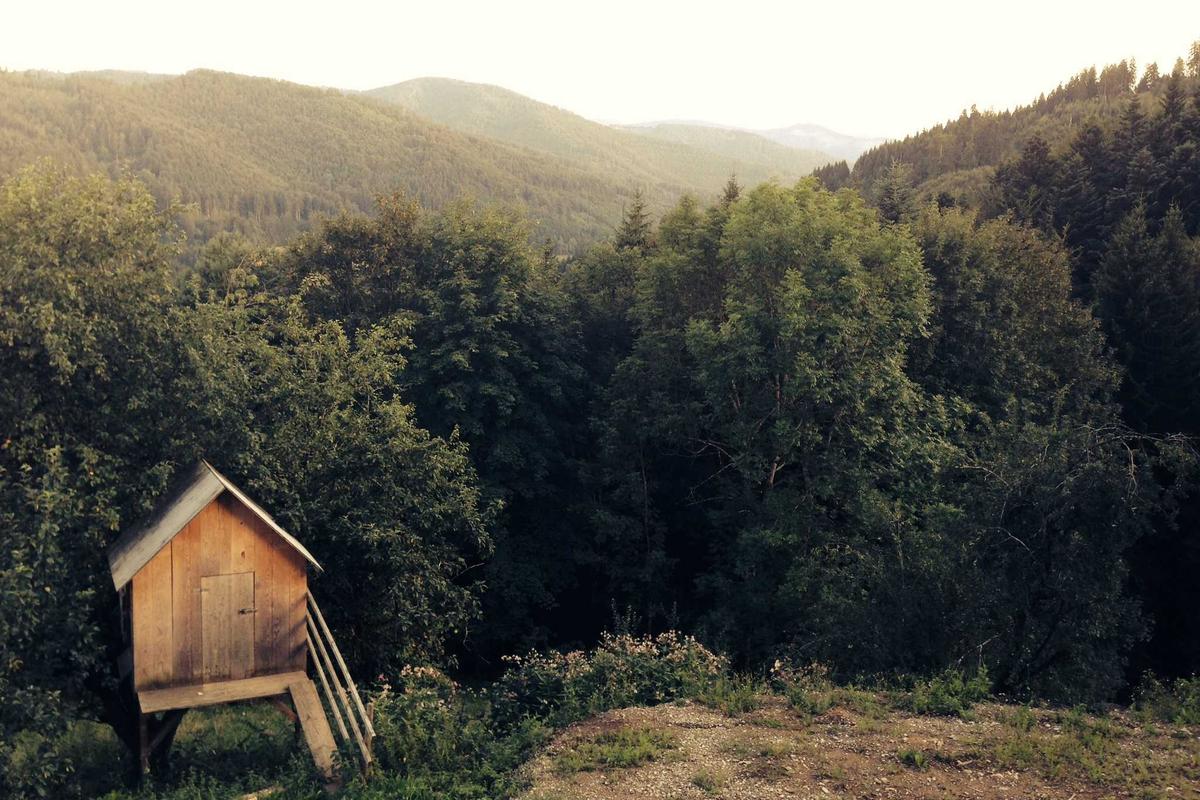
Unlike many Kilimanjaro routes, where climbers sleep in tents, the Mount Meru climbing route uses mountain huts. Miriakamba Hut and Saddle Hut provide overnight accommodation along the route.
The huts have basic shared facilities, so climbers should be prepared for simple mountain accommodation rather than hotel comfort.
Prepare for a Kilimanjaro Climb
Some travellers climb Mount Meru before attempting Mount Kilimanjaro. Meru provides an opportunity to practice hiking for several consecutive days and experience higher altitudes.
However, climbing Mount Meru does not guarantee that you will avoid altitude sickness or reach the Kilimanjaro summit. Proper preparation and an appropriate itinerary remain important for both mountains.
 |  |
Mount Meru Climbing Route
The main climbing route to Socialist Peak is the Momella Route, which starts at Momella Gate in Arusha National Park.
The route climbs from the lower slopes through forest and higher mountain vegetation before reaching Saddle Hut and the crater rim. The final ascent to Socialist Peak is steep and includes rocky sections and exposed terrain.
Main Stops Along the Mount Meru Route
Momella Gate – approximately 1,500 metres
This is the starting point for the climb. After the required registration and arrangements, you begin walking with your mountain team and park ranger.
Miriakamba Hut – approximately 2,514 metres
Miriakamba Hut is the first overnight stop on the usual four-day itinerary. The trail passes through natural habitats on the lower mountain before climbing towards the hut.
Saddle Hut – approximately 3,570 metres
Saddle Hut is the second main overnight stop. From here, climbers prepare for the summit attempt. Depending on the itinerary, conditions and guidance from your mountain team, there may be an opportunity to walk towards Little Meru.
Little Meru – approximately 3,820 metres
Little Meru is a smaller peak near Saddle Hut. An optional ascent may be included in the itinerary to provide additional hiking and an opportunity to experience a higher elevation before the main summit attempt.
Socialist Peak – 4,566 metres
Socialist Peak is the highest point on Mount Meru. The final section follows the crater rim and can be demanding because of the altitude, steep ground, and exposed terrain. The exact route, walking times, and activities depend on the itinerary, weather, and instructions from park authorities.

How Difficult Is Mount Meru Climbing?
Mount Meru is a demanding mountain trek. You do not normally need technical mountaineering skills, but you should be prepared for steep trails, uneven ground, cold conditions, and a long summit day.
The highest point is 4,566 metres above sea level. At this altitude, some climbers experience symptoms of altitude-related illness, even if they are fit and have previous hiking experience.
What Makes Mount Meru Challenging?
Altitude: The air contains less available oxygen as you climb higher. Moving slowly and allowing time for acclimatisation can help, but altitude illness can still occur.
Summit day: The final ascent usually begins during the night and includes steep, rocky sections. On the 3-day itinerary, the long descent makes the day especially demanding.
Fitness: You should be comfortable walking for several hours on consecutive days and handling uphill and downhill terrain.
Weather: Temperatures can change considerably between the lower slopes and the summit. Wind, rain, cold and poor visibility may affect the climb.
Exposure: Some sections near the crater rim are narrow and exposed. Follow your guide's instructions and do not move beyond the route or take unnecessary risks for photographs.
Who Can Climb Mount Meru?
Mount Meru may suit travellers who have good general fitness, enjoy hiking, and are prepared for several days on a mountain.
Previous high-altitude experience can be useful, but it does not remove the need for preparation. If you have a medical condition or concerns about exercising at altitude, seek advice from a qualified healthcare professional before booking.
Age limits and other participation requirements should be checked against current park rules and the operator's arrangements.

Best Time to Climb Mount Meru
Mount Meru can be climbed during different parts of the year, but weather conditions affect trail comfort, visibility and the overall experience.
January and February
These months often provide favourable climbing conditions, with opportunities for clearer views. Weather can still change, so prepare for both warm conditions at lower elevations and cold weather higher on the mountain.
June to October
This is another popular period for mountain trekking in northern Tanzania. Conditions are often drier than during the main rainy seasons, although cold temperatures and changing weather remain possible.
March to May
This period includes the main rainy season. Trails may be wet or slippery, and cloud cover can reduce visibility. Climbers should consider the conditions carefully before choosing these months.
November and December
Short rains may affect conditions in November and into December. Weather varies, so ask for an update when planning your climb.
Our advice: Choose dates based on your schedule, weather conditions and ability to prepare properly. No month guarantees clear views or a successful summit.
Mount Meru Climbing Cost
The cost of climbing Mount Meru depends on the number of days, group size, park fees, accommodation arrangements, meals, transport and the services included in your package.
A 3-day climb may cost less than a 4-day climb because it requires fewer days of support and accommodation. However, the final price also depends on how many people are travelling together and the services arranged.
What Affects the Price?
Duration: A 4-day climb generally costs more than a 3-day climb.
Group size: The cost per person can change depending on the number of climbers.
Park and climbing fees: Applicable fees depend on current park rules and visitor category.
Transport: The price may include transfers between Arusha and Momella Gate.
Meals and support team: The package should state which meals and support services are included.
Accommodation: Mountain hut arrangements and any hotel nights before or after the climb affect the total trip cost.
Request a Mount Meru Climbing Quote
To provide an accurate quotation, we need your preferred climbing dates, the number of people travelling and whether you prefer a 3-day or 4-day itinerary.
We will confirm the package price and explain which services are included before you book. Request Mount Meru Climbing Prices
What Is Included in a Mount Meru Climbing Package?
Package inclusions vary, so always check your quotation before booking. Depending on the package selected, the following services may be included:
Mountain guide services
Required park ranger arrangements
Applicable park and climbing fees
Mountain hut accommodation
Meals during the climb
Drinking water during the trek, as specified
Porters and other mountain support, where included
Transfers between Arusha and Momella Gate, where included
Applicable taxes and charges, where specified
Your written quotation should list the exact services covered by your price.
What Is Not Included?
Unless specifically stated in your quotation, you may need to pay separately for:
International flights
Tanzania visa fees
Travel and medical insurance
Accommodation in Arusha before or after the climb
Meals outside the climbing itinerary
Personal trekking equipment
Gear rental
Tips for the mountain team
Personal expenses
Any additional transfers or activities not listed in the package
Check the inclusions and exclusions before paying your deposit so you understand the full cost of your trip.
Mount Meru Accommodation: Miriakamba and Saddle Huts
Climbers spend the night in mountain huts along the Momella Route. The main overnight stops are Miriakamba Hut and Saddle Hut.
The huts provide basic shared accommodation rather than private hotel rooms. Facilities are simple, and conditions may feel more basic than those in Arusha.
You should bring a suitable sleeping bag, warm clothing, a headlamp and personal items needed for shared accommodation. Confirm the current hut facilities and equipment requirements before departure.
What to Pack for Mount Meru Climbing
Packing the right equipment helps you manage changing temperatures, rain and the demands of a long summit day.
Clothing
Moisture-wicking base layers
Warm mid-layer or fleece
Insulated jacket
Waterproof jacket and trousers
Hiking trousers
Warm hat and gloves
Comfortable hiking socks
Suitable underwear and spare clothing
Footwear and Equipment
Broken-in hiking boots with good grip
Headlamp with spare batteries
Trekking poles, if you use them
Daypack
Water bottles or a hydration system
Sunglasses and sun protection
Sleeping bag suitable for cold mountain conditions
Personal Items
Sunscreen and lip balm
Personal toiletries
Hand sanitiser
Personal medication
Camera or phone
Power bank
Passport and booking documents
Travel insurance information
Your final equipment list should reflect the expected weather, your personal needs and the requirements provided by your climbing operator.
Health and Safety on Mount Meru
Climbing Mount Meru involves physical effort and exposure to high altitude. Preparation and communication with your mountain team are important throughout the trip.
Prepare Before the Climb
Build your fitness through regular walking, uphill exercise and longer hikes before your departure. Wear your hiking boots during training so you can identify any comfort problems before the trip.
Understand Altitude Sickness
Altitude-related illness can affect people regardless of their fitness. Headache, nausea, dizziness and unusual tiredness may be signs of a problem at altitude.
Tell your guide immediately if you feel unwell. Severe or worsening symptoms require prompt assessment and may mean stopping the ascent and descending. Do not continue towards the summit simply to complete the itinerary.
Ask a qualified healthcare professional about your personal suitability for high-altitude trekking and any medication questions before your trip.
Follow Your Guide and Ranger
Follow instructions from your mountain guide and park ranger throughout the climb. Stay on the approved route, keep a safe distance from wildlife and do not leave the group without permission.
Weather and trail conditions may require changes to the schedule. Reaching the summit is never more important than your safety.
Mount Meru or Mount Kilimanjaro?
Mount Meru and Mount Kilimanjaro offer different mountain experiences.
Mount Meru reaches 4,566 metres and is climbed through Arusha National Park. The route combines forest, wildlife habitats, mountain huts and a summit along the crater rim.
Mount Kilimanjaro reaches 5,895 metres and has several established climbing routes with different durations and difficulty profiles.
Mount Meru may be a suitable choice if you have less time for a mountain trek or want to experience another mountain before or after a Kilimanjaro climb. However, it should not be treated as a guarantee of successful acclimatisation for Kilimanjaro.
If your main goal is to reach the highest point in Africa, compare the available Kilimanjaro routes and durations before deciding. Explore Our Kilimanjaro Climbing Packages
Combine Mount Meru Climbing with a Tanzania Safari
A Mount Meru climb can be combined with a wildlife safari in northern Tanzania. This allows you to experience mountain trekking and wildlife viewing during the same trip.
Depending on your schedule, you may be able to combine your climb with visits to destinations such as:
Tarangire National Park: Known for elephants, baobab trees and wildlife viewing.
Serengeti National Park: Famous for its wildlife and the seasonal movements of wildebeest and other grazing animals.
Ngorongoro Crater: A well-known wildlife destination with varied habitats and opportunities to see many animal species.
You can also add time in Arusha or continue to Zanzibar after your climb.
The best combination depends on your arrival and departure dates, budget and preferred travel pace.
[Plan a Mount Meru and Tanzania Safari]
Why Book Your Mount Meru Climb with Exceptional Travel Expert?
Exceptional Travel Expert is a Tanzania tour operator based in Arusha. Our local location helps us coordinate Mount Meru climbing arrangements alongside other northern Tanzania travel plans.
When planning your climb with us, you can:
Compare 3-day and 4-day climbing itineraries.
Request a quotation based on your dates and group size.
Clarify package inclusions and exclusions before booking.
Arrange a climb alongside a Tanzania safari or another activity.
Discuss transport and accommodation arrangements for your wider trip.
We will explain the available options and help you choose an itinerary that fits your schedule and preparation.
Frequently Asked Questions About Mount Meru Climbing
How many days does it take to climb Mount Meru?
Most Mount Meru climbing itineraries take 3 or 4 days. The 4-day itinerary allows more time for the descent after the summit attempt and is the option we recommend for most climbers.
How high is Mount Meru?
Mount Meru stands at 4,566 metres above sea level. Its highest point is Socialist Peak, located along the mountain's crater rim.
How much does it cost to climb Mount Meru?
The price depends on the itinerary, group size, park fees, transport, meals and support services. Contact us with your dates and group size for a quotation.
Is Mount Meru harder than Kilimanjaro?
They present different challenges. Mount Meru is lower than Kilimanjaro, but its summit route includes steep and exposed sections, and the summit day can be demanding. Difficulty depends on the itinerary, conditions, fitness and individual response to altitude.
Is Mount Meru a good preparation climb before Kilimanjaro?
It can provide useful hiking experience and exposure to higher altitude before a Kilimanjaro attempt. However, climbing Mount Meru does not guarantee that you will avoid altitude sickness or reach the Kilimanjaro summit.
Do I need a guide to climb Mount Meru?
Mount Meru climbing requires advance arrangements with the park, including the required ranger escort. Your operator should confirm the guide, ranger and other arrangements included in the package.
Where do climbers sleep on Mount Meru?
Climbers stay in mountain huts along the route, mainly Miriakamba Hut and Saddle Hut. Accommodation is basic and shared, so bring a suitable sleeping bag and prepare for cold conditions.
Can beginners climb Mount Meru?
Beginners with good fitness may be able to complete the climb, but they should understand the demands of the altitude and summit day. The 4-day itinerary is the option we recommend for most climbers. Build your fitness beforehand and discuss any health concerns with a qualified healthcare professional.
What is the best time to climb Mount Meru?
January and February, as well as June to October, often provide favourable conditions. Weather can change at any time, and the best dates depend on the forecast and your travel plans.
Can I see Mount Kilimanjaro from Mount Meru?
Mount Kilimanjaro may be visible from Mount Meru when the weather and visibility are favourable. Clear views are not guaranteed.
Is there a day hike on Mount Meru?
There are guided walking activities on the mountain's lower slopes, but a day hike is not the same as reaching Socialist Peak. A summit climb requires a separate multi-day itinerary.
What happens if I cannot reach the summit?
Your guide will assess the situation and advise on the safest course of action. Depending on your condition and the circumstances, this may mean stopping the ascent and descending. The summit is a goal, but safety must come first.